
Extreme Climate Survey
Science News is collecting reader questions about how to navigate our planet’s changing climate.
What do you want to know about extreme heat and how it can lead to extreme weather events?
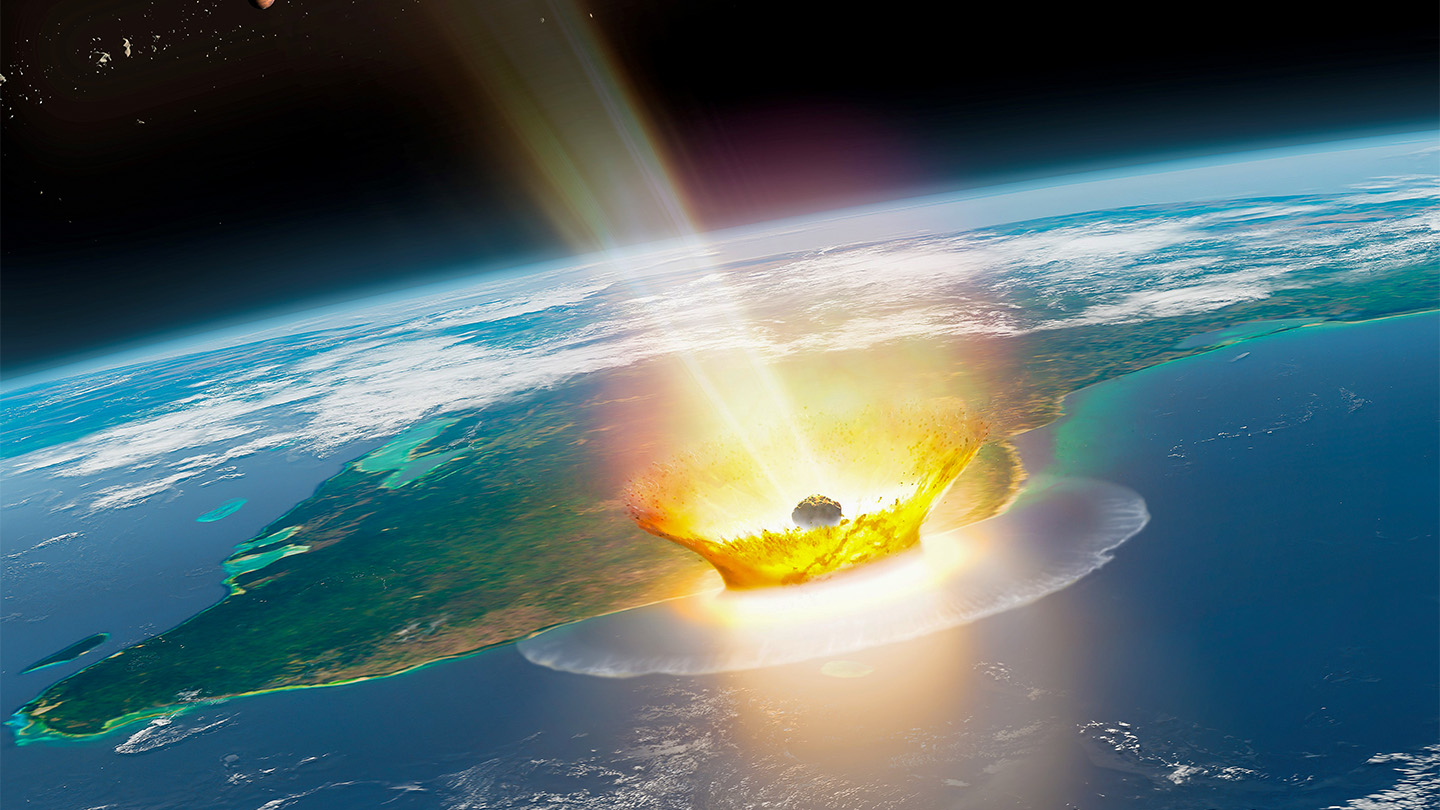
Now, new chemical analyses of those rock layers, which mark the boundary between the Cretaceous and Paleogene periods (known as KPg), are helping to create a forensic profile of the killer asteroid.
Geochemist Mario Fischer-Gödde of the University of Cologne in Germany and colleagues measured five isotopes, or forms, of ruthenium in the KPg rock layers, as well as in five impact craters that occurred between 36 million and 470 million years ago and in Earth-based platinum ores (SN: 12/18/18).
Ruthenium, like iridium, is a platinum-group element, rare in Earth’s crust but abundant in asteroids and other space rocks. However, the relative abundance of ruthenium isotopes varies among space objects depending on where they originate.
The ruthenium signatures in the KPg rocks were indistinguishable from one another, tying them all to the same event, the team found. And that event was definitely extraterrestrial, not from ashfall due to intense volcanic eruptions that have also been implicated in the dinosaurs’ demise (SN: 9/28/23).

Most meteorites found on Earth are stony, or siliceous, asteroids, originating from the nearby asteroid belt between Mars and Jupiter. That belt was also the origin of the five non-Chicxulub impactors.
But the Chicxulub impactor was a carbonaceous asteroid, originating in the outer reaches of the solar system, from an ancient asteroid belt beyond Jupiter (SN: 12/16/22). Now that’s far out.