

Through art, young people have the opportunity to express their identity, learn about other cultures and build meaningful connections beyond their borders.
In an increasingly interconnected world, cultural and artistic exchange programs have become powerful tools to promote understanding, creativity and global learning. Through art, young people have the opportunity to express their identity, learn about other cultures and build meaningful connections beyond their borders.
The art exchange program between Michigan State University Extension’s Michigan 4-H program and the Colombian organization Tejiendo el Ser para el Saber is an example of how experiential education can transcend geographic distances. Inspired by the legacy of the 4-H China Art Project, this initiative seeks to foster creativity, education and the personal and professional growth of young participants, connecting communities in Michigan and Colombia through artistic dialogue and global thinking. The Visual Letter Art Exchange Program has been growing for 30 years in different countries. The incredible connection and experience that young people have in this program with other cultures is fascinating from the very beginning.
In the first part of our conversation with Adriana Sierra Ramirez, we explore her journey, her role as 4-H program coordinator in Kent County with MSU Extension, and the meaningful ways she connects with the community to open creative spaces with other cultures.
What personally motivated you to promote this connection with Colombia?
I am Colombian. I was born and raised there, and I am grateful to my country for all my foundational knowledge. I know that many Colombian children are open to learning more about the world, even though they often lack the opportunity. With this initiative, I saw a door to an international connection that allows learning about otherness, artistic expression and sharing this experience with others. That’s why, when I learned about the program, my first question was: Could we do an exchange with Colombia? And happily, the answer was yes!
What was the main goal of this collaboration?
The goal has always been to educate, learn, connect and create leaders for the future. This initiative encourages creativity and cultural understanding, contributing to a complete, fun educational experience and personal growth.
What previous learnings from the 4-H China Project influenced the design of this project?
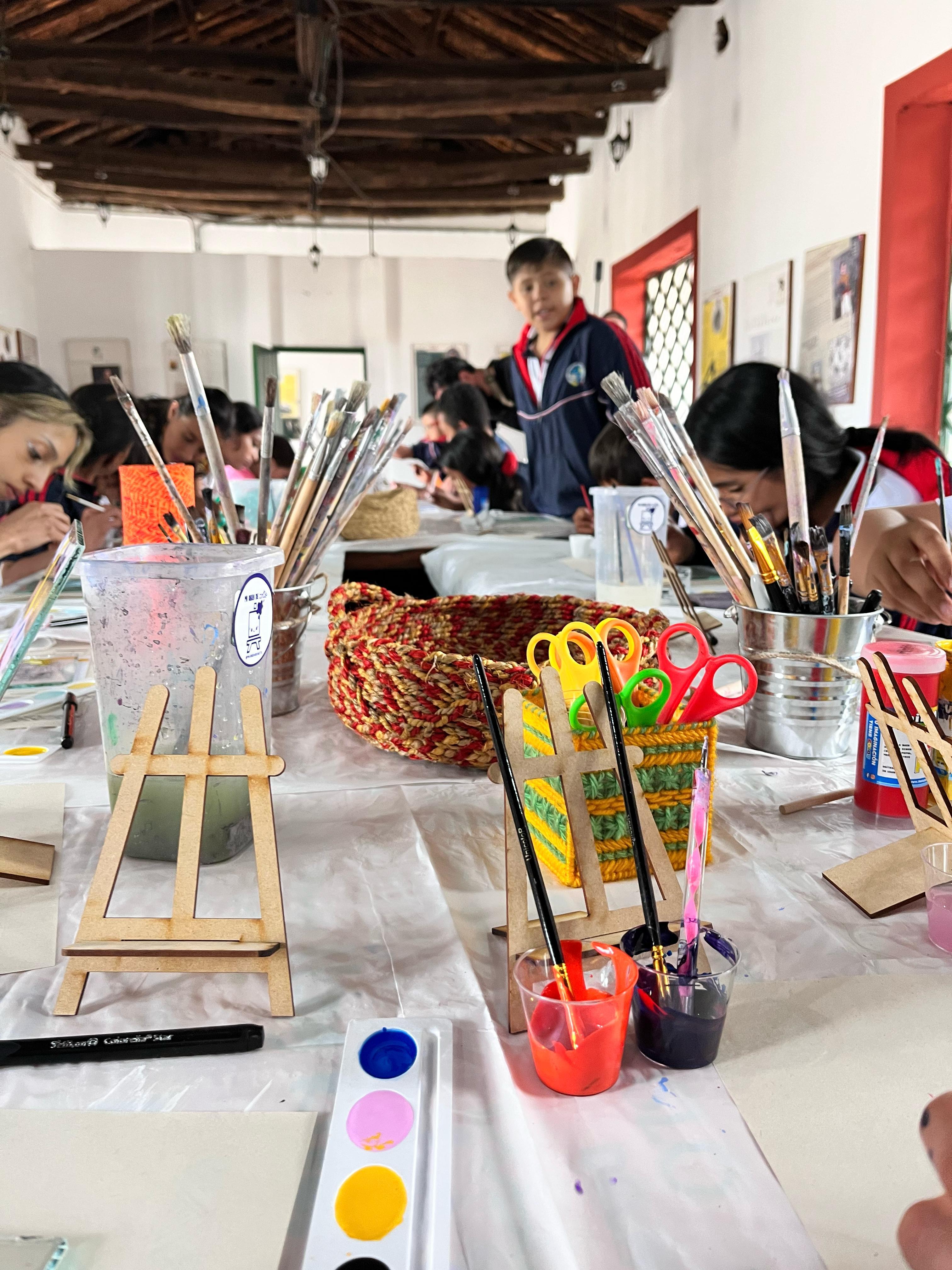
Learning about international programs and talking with Janis Brinn, 4-H international coordinator, helped me design this initiative with Colombia. With the support of Tejiendo el Ser para el Saber, we created a two-session curriculum: the first introduces the country, its culture and customs. The second focuses on creativity and artistic expression.
 - columbian art.jpeg?language_id=1)
What cultural or pedagogical elements did you want to highlight in this exchange?
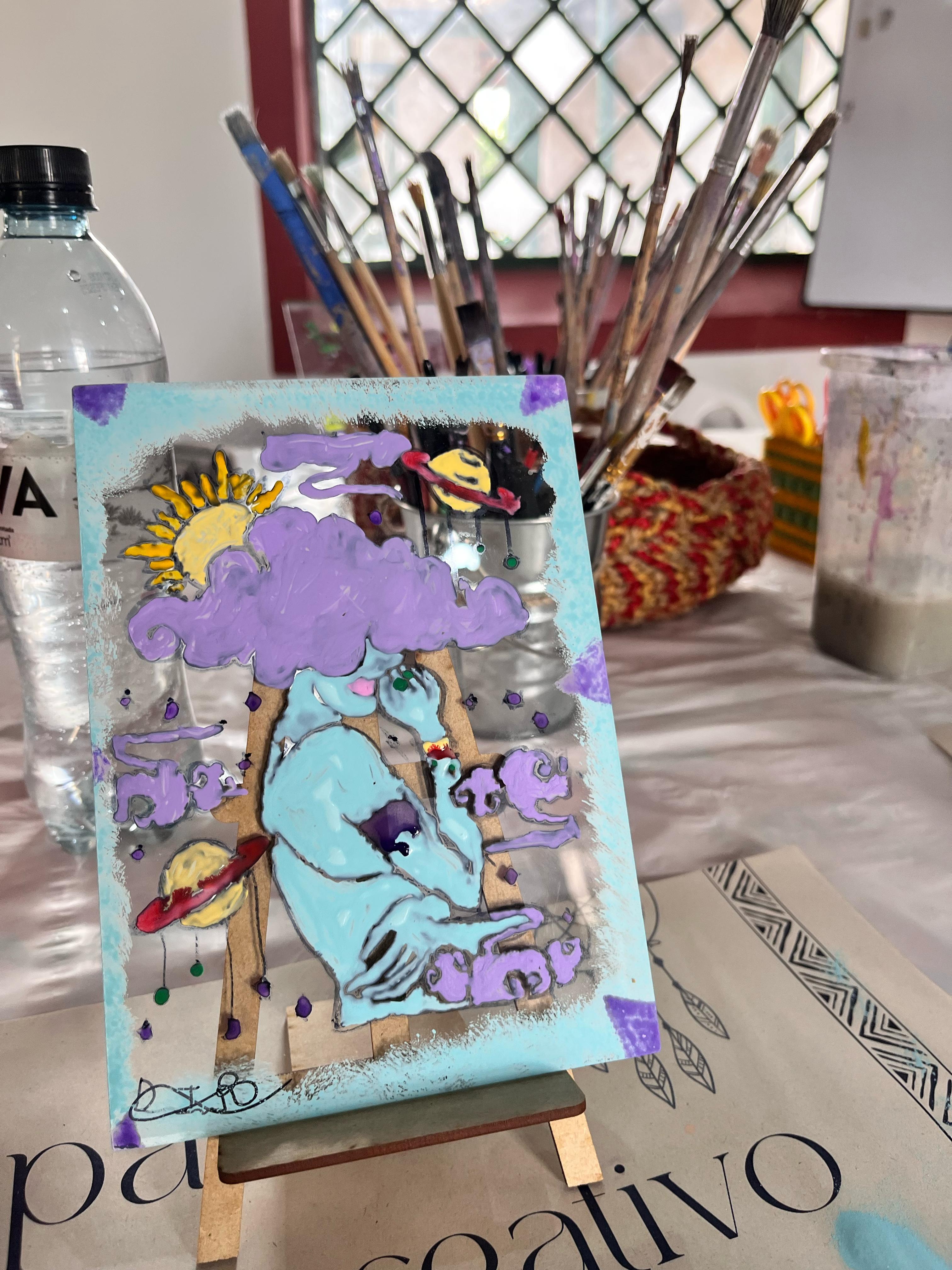
Culturally, we emphasized how young people represent their environment from their own perspective, observing and highlighting aspects of their world. Although the exchange was between Colombia and the United States, the participation of youth from Asia and Africa broadened the project’s international vision. I personally learned about each country and enjoyed seeing how participants discovered the cultures of their peers.
Pedagogically, Tejiendo el Ser para el Saber contributed its expertise in group management and methodologies, ensuring that learning, play, creativity and art were at the center of the experience.
What impact did you observe on the young participants?
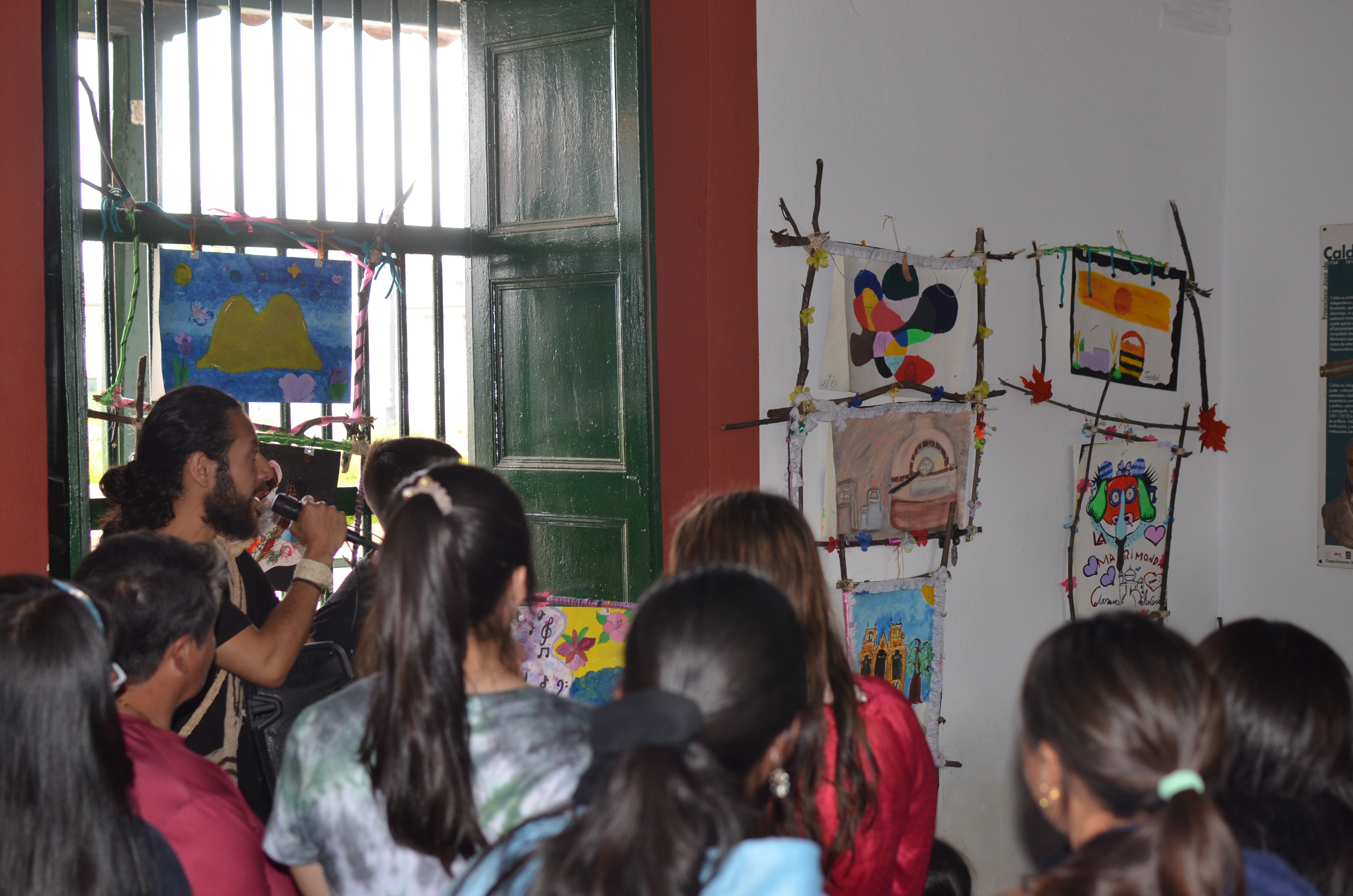
During the program, the youth showed curiosity and enthusiasm, learning and having fun while expressing their creativity through art. The impact also extended to the community. In Colombia, gatherings were organized to showcase the artwork to families and neighbors. In the United States, the art was displayed in various spaces, promoting culture and learning among children and adults.
What’s next for this project? Are there plans for continuity or expansion?
The project is sustainable and long-term, as the artwork remains at MSU Extension and can be exhibited at different events, promoting creativity, art and culture. We plan to continue with a new edition focused on artistic photography that reflects the environment, tells stories and strengthens connection and learning. We are thrilled that MSU Extension and Tejiendo el Ser para el Saber continue to drive this international initiative.
We want to express our sincere gratitude to the Refugee Education Center, Michigan 4-H Foundation, and Chispa 4-H for their valuable support and collaboration. Their partnership made this program possible and ensured its positive impact on the community. Stay tuned for Part 2 of this series!
To help young people learn the important skill of planning for their future, MSU Extension makes career exploration fun through hands-on workshops on topics such as goal-setting, decision-making, budgeting, saving, investing and borrowing, as well as financial services, income potential and risk management.
MSU Extension and the College of Agriculture and Natural Resources at MSU are committed to a culturally-inclusive, safe and supportive environment, free from all forms of discrimination, prejudice, stereotypes, harassment and aggression. MSU Extension creates opportunities and builds informed communities to make Michigan a strong, prosperous and excellent place to live. To explore ways to engage with culturally-diverse communities, please contact Patricia Monterrosa, Extension educator with Chispa 4-H.
(Co-Pilot was used for a rough translation from Spanish into English for general understanding).
Did you find this article useful?