

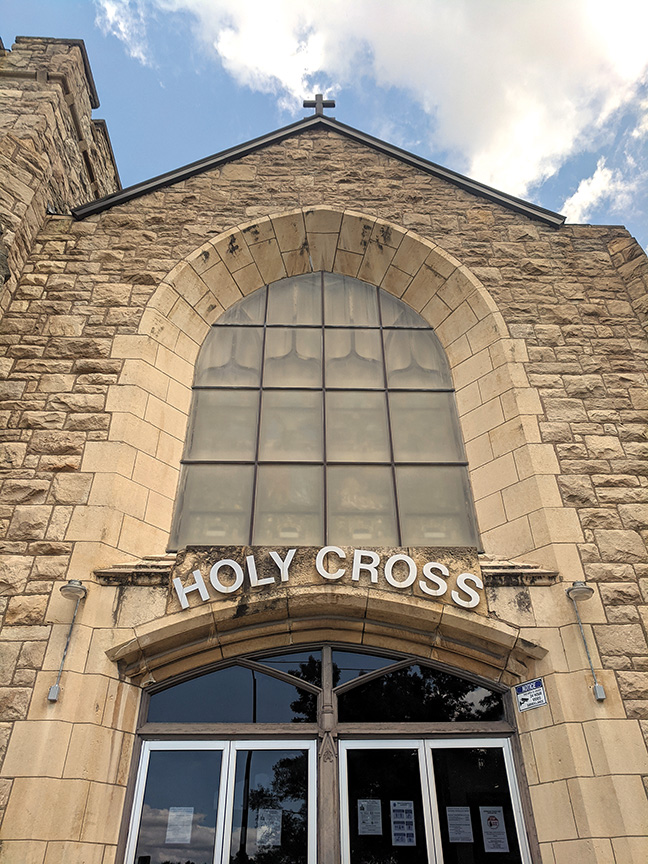
Holy Cross Parish (5106 St. John Ave.)
Bryan Stalder
Contributor
While Christmas decorations may come down for some households after December 25, for many families in Northeast Kansas City, the season of celebration continues well into January. Each year on January 6, Latino families across the neighborhood gather to observe Epiphany, a tradition rooted in faith, history and culture that remains deeply meaningful across generations.
Known in Spanish as Día de los Reyes—the Day of the Kings—Epiphany commemorates the visit of the Magi, or Wise Men, who followed a star to honor the newborn Jesus. Though it is primarily a Catholic feast day, it is widely celebrated across the Latino community, including by many Protestants who grew up with the tradition as part of family life.
“Most people in Latin America are Catholics, especially in Mexico,” one Hispanic Pastor in Northeast explained to Northeast News.
For many Christians around the world, Epiphany is not a standalone event but the culmination of the Twelve Days of Christmas, which stretch from December 25 through January 6. Historically known as Christmastide, this entire period was once marked by feasting, music, storytelling and community gatherings.
The Twelve Days build toward Epiphany, which marks the moment when Jesus is revealed not only to his own people, but to the wider world—symbolized by the Magi, who came from distant lands. In Western Christianity, Epiphany represents this manifestation of Christ to all nations.
Even the familiar Christmas carol “The Twelve Days of Christmas” reflects this journey. The growing list of gifts mirrors the unfolding revelation of Jesus’ identity, with symbolic meanings long used to teach faith traditions during periods of persecution. The song reaches its conclusion at Epiphany, reinforcing the idea that Christmas is a season, not a single day.
Historically, the eve of Epiphany—January 5, often called Twelfth Night—was a time of celebration throughout Europe and the Americas, complete with plays, food and music. Shakespeare’s Twelfth Night even takes its name from this tradition.
Epiphany traditions came to the Americas through Spain and became deeply rooted in Mexico, Central America, South America and the Caribbean. Over time, religious observance blended with regional customs, creating celebrations that are both sacred and communal.
One of the most recognizable traditions is Rosca de Reyes, a sweet, oval-shaped bread decorated with colorful fruit and shared among family and friends. The bread represents a crown, and hidden inside is a small figurine of the baby Jesus, recalling the biblical story of the Holy Family’s flight from King Herod.
Families usually gather to share the rosca on the evening of January 5 or on January 6, often accompanied by hot chocolate or atole, a warm corn-based drink. Whoever finds the figurine traditionally hosts another gathering on February 2, Día de la Candelaria (Candlemas), where tamales are served.
In this way, Epiphany extends the holiday season beyond Christmas, reinforcing the importance of hospitality, generosity and shared responsibility.
At its core, Epiphany emphasizes universality—the belief that dignity, love and belonging extend to all people. The Magi’s journey across borders and cultures reflects values that continue to resonate in a diverse community like Northeast Kansas City.
Epiphany traditions underscore respect for human life, care for the vulnerable, and the rejection of racism and exclusion. The story challenges fear-driven responses to difference and instead points toward welcome, justice and shared humanity.
These values are lived out locally in neighborhoods where families come from many countries and cultural backgrounds, yet share common hopes for safety, opportunity and community.

St. Anthony Parish (309 Benton Blvd.)
Several Catholic parishes in Northeast Kansas City mark Epiphany each year with special liturgies, cultural celebrations and shared meals, often reflecting the multilingual and multicultural makeup of their congregations. Local parishes include:
- Holy Cross Parish (5106 St. John Ave.)
- St. Anthony Parish (309 Benton Blvd.)
- Holy Rosary Parish (533 Campbell St.)
- Our Lady of Peace Parish (1029 Bennington Ave.)
Even beyond church walls, Epiphany remains a meaningful cultural moment for many families—one that brings people together around tables, traditions and stories passed down through generations.
For non-Latino residents, Epiphany offers an opportunity to better understand a celebration that shapes the lives of neighbors throughout Northeast. It is a reminder that the holiday season does not always end on December 25—and that sometimes, its most meaningful moments arrive weeks later, shared over sweet bread, tamales, and the simple act of gathering together.

Holy Rosary Parish (533 Campbell St.)