
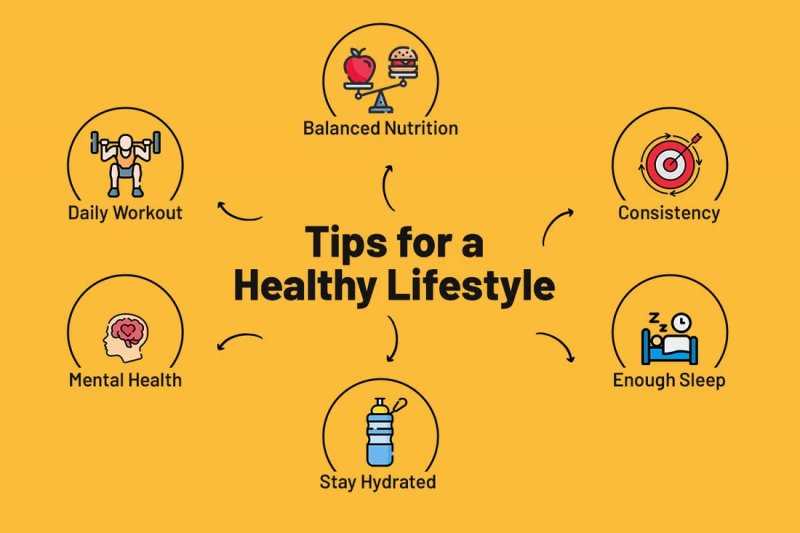
Health and lifestyle trends are no longer passing fads that briefly capture public attention before fading away, News.az reporys.
Increasingly, new habits, wellness practices, and nutrition preferences are supported by measurable data — from consumer spending patterns and survey results to health-tracking apps and research insights. This shift toward evidence-backed lifestyle change reflects a broader movement: people around the world are becoming more intentional about how they live, eat, move, and manage stress.
Functional nutrition and balanced eating
One of the clearest areas of measurable growth is functional nutrition. Rather than focusing solely on calorie counting or restrictive dieting, many people now look for foods associated with particular health benefits — improved digestion, sustained energy, immune support, or heart health. This shift has fueled growth in high-fiber foods, fermented products, omega-rich ingredients, and naturally sourced supplements.
Plant-forward eating also continues to expand. While fully vegan diets remain a minority choice, a rising number of consumers identify as flexitarian — reducing but not eliminating animal products. Market research shows consistent expansion in demand for plant-based alternatives, legumes, nuts, seeds, and whole-grain staples. This movement is not driven only by ethics or sustainability; many participants associate plant-rich diets with improved wellbeing and weight control.
At the same time, there is increased skepticism toward overly processed food marketed as “healthy.” Consumers are showing greater interest in ingredient lists, preparation methods, and transparent sourcing. More brands now respond by reducing artificial additives, sugar, and salt, while highlighting natural preparation techniques.
The growing focus on mental wellbeing
Mental health is another area where measurable lifestyle change is occurring. Public awareness campaigns, workplace initiatives, and educational programs have helped normalize discussions around stress, burnout, anxiety, and emotional resilience. Surveys across multiple regions indicate that large portions of the population place mental wellbeing on equal footing with physical health.
This shift has encouraged wider adoption of habits such as meditation, journaling, gratitude practice, and digital detox routines. Download statistics for mindfulness apps and stress-management platforms show strong, sustained growth. Employers increasingly integrate wellbeing programs, recognizing that mental health support can improve productivity and staff retention.
Movement as medicine
Fitness trends, too, are becoming more holistic. Rather than pursuing extreme training programs or narrow aesthetic goals, many individuals now prioritize sustainable, long-term movement habits that can be integrated into daily routines. Walking, cycling, stretching, yoga, pilates, and low-impact strength training all show steady participation growth.
Wearable fitness trackers have played a significant role, translating daily activity into measurable metrics such as step count, heart-rate patterns, and fitness levels. These devices encourage consistency and allow users to set personalized goals that reflect individual ability rather than unrealistic ideals.
Sleep health enters the mainstream
Sleep has shifted from being treated as an afterthought to becoming a central pillar of wellness. Research continues to link poor sleep with reduced concentration, increased accident risk, hormonal disruption, and heightened susceptibility to illness. As public understanding improves, more people prioritize regular schedules, comfortable sleep environments, and reduced screen exposure before bedtime.
This growing awareness is reflected in purchasing behavior. Sales of sleep-support products such as ergonomic mattresses, smart lighting systems, and gentle alarm technologies have expanded steadily. Meanwhile, sleep-tracking applications provide insights into nightly rest cycles.
Reducing reliance on alcohol and stimulants
Another lifestyle area experiencing measurable change is the growing interest in moderation. Across multiple markets, sales data shows rising demand for non-alcoholic beverages, caffeine-reduced drinks, and herbal alternatives. Many consumers seek social enjoyment without the health drawbacks associated with heavy alcohol or stimulant intake.
This moderation movement is often linked to broader goals such as mental clarity, athletic performance, or sleep improvement. Restaurants, bars, and supermarkets have responded by expanding alcohol-free options that still offer sophistication and flavor variety.
Preventive health and early awareness
Preventive health has become a defining theme in modern wellness. Screenings, routine checkups, vaccinations, and health education are emphasized as cost-effective ways to maintain long-term wellbeing. Public health campaigns encourage early detection of chronic illness and promote everyday preventive habits — balanced diets, active lifestyles, smoke-free environments, and responsible risk-reduction behaviors.
Digital health portals now allow millions of people to schedule appointments, store medical records, and receive reminders, improving continuity of care. Telehealth services have also widened access to consultations, particularly in rural or underserved areas.
The rise of personalized wellness
As health technology advances, personalization is becoming increasingly common. Instead of following generic advice, individuals can tailor exercise programs, nutrition approaches, and recovery strategies to their own body type, preferences, and health status. Data-driven platforms analyze trends over time, helping users refine their routines.
This emphasis on personalization also challenges harmful cultural ideals surrounding body image. A growing number of public campaigns stress that health comes in diverse forms and that extreme restriction or comparison-based fitness culture can undermine wellbeing.
The role of workplaces and institutions
Workplaces, schools, and universities play a pivotal role in reinforcing healthier lifestyles. Corporate wellness programs, standing desks, active commuting initiatives, mental-health training, and flexible working arrangements all illustrate how institutional environments are adapting.
Some organizations invest in onsite fitness areas, mindfulness rooms, ergonomic design, or healthy cafeteria options. Others focus on education, offering workshops on sleep management, time organization, nutrition basics, or burnout prevention.
Digital communities and peer influence
Online communities have become central to health and lifestyle communication. People share progress, challenges, recipes, exercise routines, and motivational stories. Forums and social platforms enable users to learn from others with similar goals or conditions.
However, experts frequently remind the public that online information should be approached critically. Not all claims are evidence-based, and responsible content creation — especially for young audiences — remains essential.
Equity and access: a continuing challenge
While many wellness trends show measurable growth, access remains uneven. Not all communities have equal availability of healthy food options, safe public spaces, healthcare services, or digital resources. Economic inequality, geographic isolation, and educational disparities continue to influence health outcomes.
Governments and non-profit organizations respond through targeted programs, subsidies, community clinics, and public health infrastructure projects.
Sustainability and ethical consumption
Health and sustainability are becoming increasingly interconnected. Many people consider environmental impact when making lifestyle choices — from reducing food waste to buying ethically sourced goods or supporting local producers.
This shift has encouraged the development of circular-economy models, eco-friendly packaging, and reduced-carbon production processes.
Looking ahead: the future of measurable lifestyle change
Health and lifestyle trends with quantifiable growth reveal a clear pattern: people want greater control over their wellbeing, supported by reliable information rather than speculation. Technology will likely continue to drive this evolution by offering better monitoring tools, more accessible education, and innovative digital support systems.
Yet the human element remains central. Supportive relationships, balanced routines, realistic expectations, and community engagement form the foundation of long-term wellness.
Conclusion
The shift toward measurable, evidence-aligned health and lifestyle trends marks a significant cultural transformation. People across the world are increasingly proactive about how they eat, move, rest, and manage stress. Markets reflect these priorities, institutions adapt to support them, and technology makes progress visible.