

BILLINGS — A new winter solstice Native art market in Billings brought together more than two dozen Indigenous artists, creating a shared space for cultural representation and community.
Watch how the market created cultural representation and community in Billings:
Winter solstice Native art market highlights culture and community in Billings
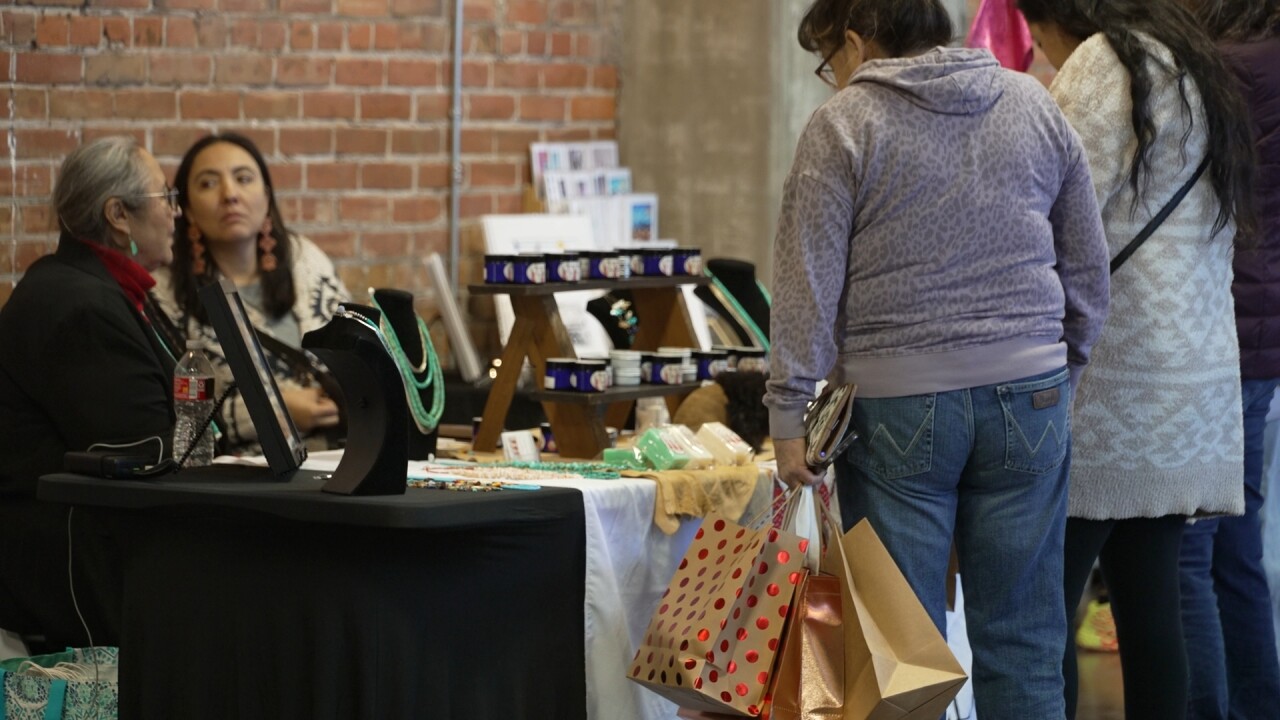
The Paper Mill on Montana Avenue was transformed into a bustling marketplace on Saturday for the inaugural Winter Solstice Native Art Market, a pop-up event that brought together 27 Indigenous artists and makers from across Montana and beyond the region. The market was organized by entrepreneur Cora Chandler and fashion designer Bethany Yellowtail, with the goal of creating a shared space for Native artists to showcase their work and represent living culture.
“I love it. My culture has always been one of my passions, and it’s all right here,” said shopper Mardell Plainfeather. “All these ladies are so talented. I mean, I want to buy everything.”
Isabel Spartz/MTN News
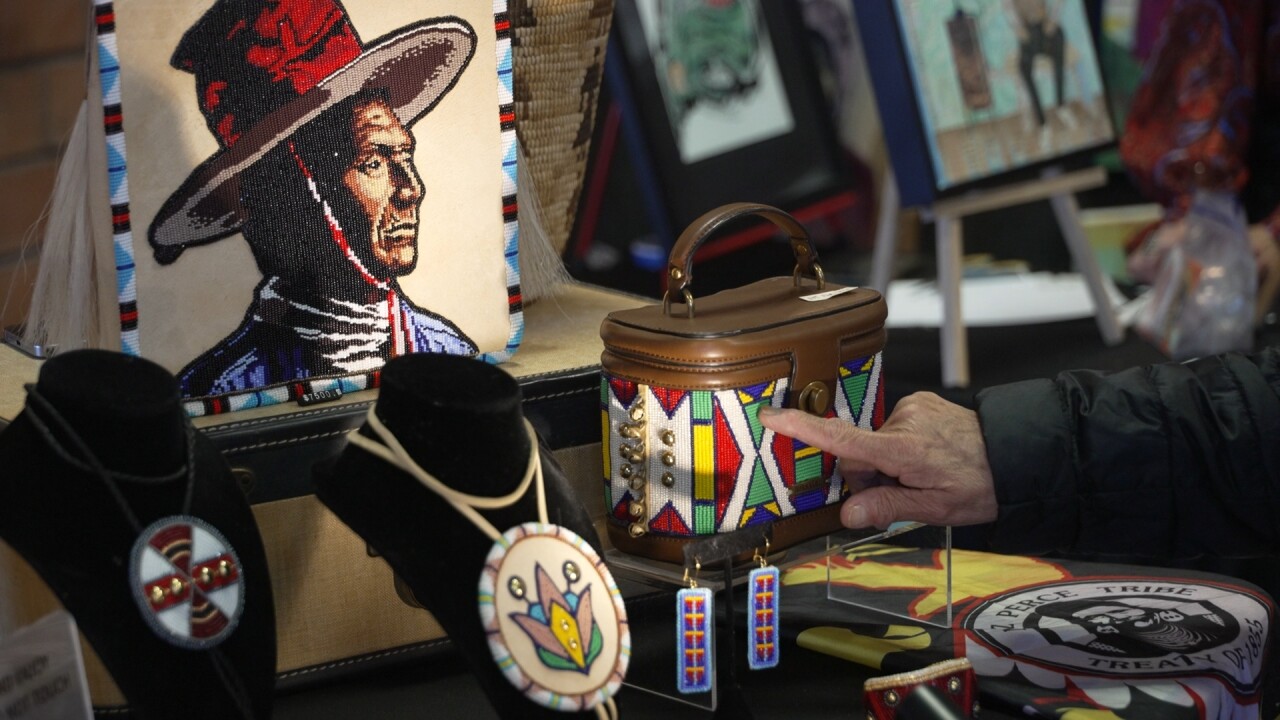
The market featured clothing, jewelry, beadwork, artwork, and food, along with traditional dancing and a live orchestra ensemble. For visitors, it offered a chance not only to shop but to experience local Native culture in one place.
Yellowtail, a member of the Crow and Northern Cheyenne Nations born in Wyola and owner of the fashion brand B.Yellowtail, has seen her designs reach a wide audience, including a recent collaboration with Carhartt. After spending 16 years in Los Angeles, she recently returned to Billings with a renewed focus on supporting Native artists and communities closer to home.
Related: ‘Reservation to runway’: Montana designer Bethany Yellowtail teams up with Carhartt
“I just think there’s so much creativity here in Crow Country and Northern Cheyenne communities that I just really want them to be highlighted,” said Yellowtail. “It’s always been part of my values for my business to help support Native artists and help my community.”

Isabel Spartz/MTN News
For vendors, the market offered both economic opportunities and personal significance. Audrey Black Eagle, a beader from Lodge Grass, said she began beading during the COVID-19 pandemic after leaving her job.
“I left my job, and then I just started doing this. It doesn’t even feel like work. It’s like therapy. I just enjoy it so much,” said Black Eagle. “This show has just been awesome. I like the way it was marketed.”
Afro-Indigenous beader Mikailah Thompson traveled from Lapwai, Idaho, to participate. Thompson, who is half Black and half Nimiipuu, learned to bead from her grandmother at age 10 and said events like this help people better understand the skill and significance behind traditional crafts.

Isabel Spartz/MTN News
“I think people assume crafts are just crafts, but then once they kind of see you working or they see the detail, and they see the work in person, they have more of an appreciation for it,” said Thompson.
Like many small businesses, Native artists have faced challenges this year due to inflation and rising material costs.
“The economy is pretty bad, especially on reservations,” Plainfeather said. “I do know that the artists that you see here are small businesses.”
Isabel Spartz/MTN News
“The cost of materials definitely have gone up. We’ve seen that right away,” added Black Eagle. “We did feel it. I felt it.”
Despite economic difficulties, vendors and organizers said the market’s mission of creating a cultural space for Native culture to be seen and sustained stood out. Yellowtail said the idea for the market came from a desire to create a welcoming space for Native and non-Native neighbors alike.
“One of my goals coming home was to really bridge the gap between our tribal communities and our neighbors. I think Billings has a really incredible opportunity because there’s so much tribal representation, but we really miss the mark on each other,” said Yellowtail. “There’s a lot of misunderstandings, and I think that we could do better at being neighbors to one another.”
It was a point that resonated with many.

Isabel Spartz/MTN News
“Especially with being Native American and even being half black, it’s just so much that has been attempted to be taken away from us, attempted to be erased, and so being able to relearn or to continue and sustain some of these traditional crafts and putting them into our work, it’s active resistance in itself,” said Thompson. “It’s very, very important to have so many different cultures, so many different tribes continue their own story in their own way.”
More than just art and decoration, the market was a way to bridge culture and continuation. Yellowtail said she hopes the Winter Solstice Native Art Market becomes an annual event and continues to grow.
“There’s so much beauty to be shared that I hope people invest and buy Native,” said Yellowtail.