

Despite the challenges they face—from unpredictable weather patterns and limited market access to entrenched gender norms—Zambian women farmers have registered numerous successes.
I recently had the privilege of spending a month with two wonderful African women: one from the country of Zambia, Mwamba Mukupa, and one from South Africa, Eunice Mashao.
Throughout the month we spent together, we learned so much, primarily focusing on Michigan’s agriculture. We also learned about cultural traditions, which was fun and an interesting bonus while spending time with these beautiful women. Both women are active in their communities and work in agriculture.
Eunice is a farmer, teaching people traditional farming practices and integrating new technologies to make farming more sustainable and profitable. She is a leader in her farming community who is passionate about preserving indigenous food crops.
Mwamba is a director of planning in the district of Serenje, with a professional and academic background in rural development and planning. She encourages young people, especially women, to participate in the agriculture sector. Through this work, Mwamba empowers young women to thrive and become leaders in their communities.
When I shared with Mwamba that part of my role as a Michigan State University Extension educator was to share education through online articles, she shared this story with me so that I could share with others. I hope you, too, enjoy learning about Zambia, her culture and traditions.
In Mwamba’s words
Zambia, a breathtakingly beautiful country nestled in the heart of Southern Africa, is home to over 70 indigenous tribes, each with its own vibrant customs and traditions. Known for its majestic Victoria Falls and expansive national parks, Zambia also boasts a rich cultural tapestry reflected in its many traditional ceremonies.
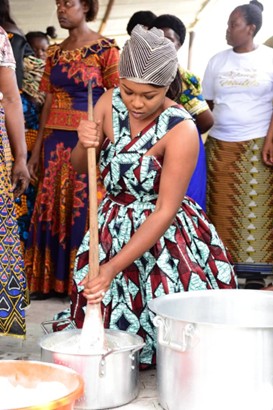
According to the 2022 Census Report, Zambia had a population of 19.6 million people, with women making up 54% of the total population. Despite representing the majority, Zambian women—particularly those in rural communities—continue to face numerous social and economic challenges, including limited access to education, land ownership, financial services and decision-making opportunities. Nevertheless, the Zambian woman remains the resilient backbone of her household and community, playing a vital role in ensuring food security and economic stability.
In rural districts like Serenje, women have turned to small-scale agriculture as a means of survival and empowerment. Through women’s groups, clubs and cooperatives, they come together to support one another in farming activities. These collectives often utilize traditional savings methods such as “Icilimba”— a rotating savings and lending system that helps members pool resources to purchase agricultural inputs, livestock and even land. This collaborative spirit has not only helped many women increase their yields and household income, but also fostered strong bonds of sisterhood and mutual support.
Despite the challenges they face—from unpredictable weather patterns and limited market access to entrenched gender norms—Zambian women farmers have registered numerous successes. Many are now growing enough produce to sell in local markets, sending their children to school, and reinvesting in their communities. Some have gone on to become respected leaders in their cooperatives, advocating for better support and inclusion in national agricultural policies.
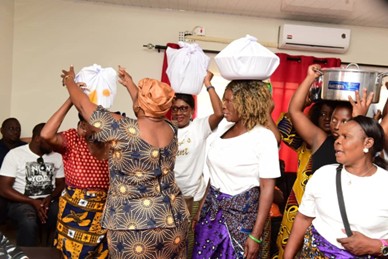
Amidst the hard work and struggle, Zambian women never lose sight of their cultural identity and the importance of celebration. One such tradition is the “Ici’langa Mulilo”, a cherished pre-marital ceremony where the bride’s family presents a variety of traditional dishes to the groom’s family. Once practiced mainly by tribes in the Northern and Luapula Provinces, Ici’langa Mulilo has now been embraced by many Zambian ethnic groups as a joyful expression of unity, cultural pride and feminine strength.
During Ici’langa Mulilo, women—especially mothers, aunts and friends of the bride—take center stage. They work together to prepare and display elaborate meals made from locally grown farm produce such as traditional vegetables, sweet potatoes, cassava, groundnuts, village chicken and dried fish. It is not just a culinary display, but also a moment for women to pass down knowledge, share stories and celebrate their femininity. Through dance, song and colorful attire, they uplift one another and proudly showcase the cultural richness that binds them together.

In many ways, Chilanga Mulilo symbolizes the strength, creativity and solidarity of Zambian women—values that are mirrored in their everyday efforts in agriculture and community life. Whether in the fields or in the kitchen, Zambian women continue to thrive against the odds, preserving their heritage while planting seeds for a more empowered future.
Did you find this article useful?