Summary
Risks to the Australian financial system from lending to households, businesses and commercial real estate
(CRE) remain contained.
- Budget pressures remain pervasive across the Australian community, but they have eased a
little for some and the share of borrowers experiencing severe financial stress remains
small. The share of households who have fallen behind on their mortgages has broadly
stabilised at pre-pandemic levels. Moreover, almost all mortgagors benefit from home values that
exceed their mortgage balances (substantially so in many cases). Company insolvencies have continued
to rise to be at the top of the range observed in the 2010s – primarily among smaller firms
that face a particularly challenging operating environment – although on a cumulative basis
remain slightly below their pre-pandemic trend. Additionally, broader spillovers to the financial
system have been limited due to these firms limited bank debt and small size. Overall, most
household and business borrowers, and owners of CRE, have been able to manage the pressures on their
finances to date. - Cash flow pressures on borrowers will remain widespread in the near term but are expected to
ease a little further. The forecasts presented in the February Statement on Monetary
Policy (based on the market-implied cash rate path at that time) suggested that most
households and businesses would see some improvements in their cash flow positions over the months
ahead, supported by an improvement in the economic environment and easing financial conditions. But,
the most vulnerable borrowers will continue to face significant challenges. - However, considerable uncertainty surrounds the outlook. If the economy (and, for
financial stability purposes, particularly the labour market) proves materially weaker than assumed
in the central forecast or if financial conditions do not ease as much as markets expect, a larger
number of borrowers would experience stress, all things equal. Additionally, if downside risks to the
global outlook materialise, they could spill over to some Australian businesses via trade linkages
and/or tighter access to offshore funding markets. Nevertheless, the strong financial positions of
most households, businesses and owners of CRE are likely to limit the risk of widespread financial
stress. - Looking further ahead, vulnerabilities in the financial system could build if households
respond to an actual or anticipated easing in financial conditions by taking on excessive
debt. While lending standards are currently very sound, the RBA and other regulators
will closely monitor for signs of any build-up in housing-related vulnerabilities over time. In the
business sector, an actual or anticipated easing in financial conditions does not appear likely to
contribute to a material buildup of vulnerabilities given the current outlook.
2.1 Households
Pressures on Australian households budgets remain widespread …
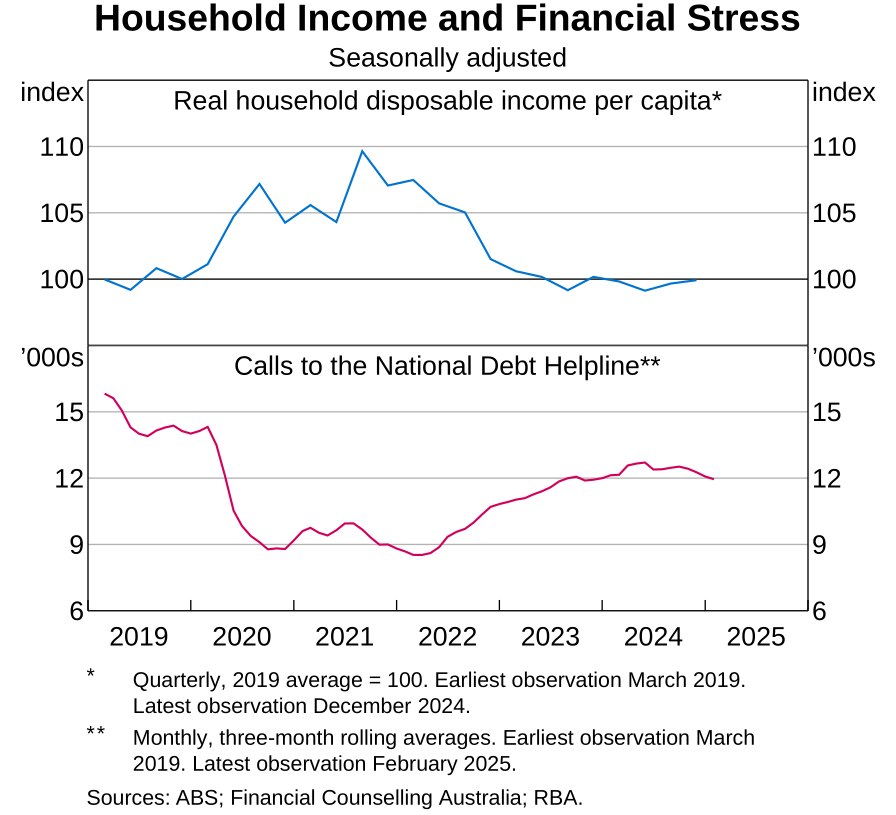
Many households continue to experience pressure on their cashflows. Real disposable
income per capita – that is, income after tax and interest payments and adjusted for inflation
– declined notably over 2022 and 2023 as inflation picked up and interest rates and tax payable
increased (Graph 2.1). More recently, real disposable incomes have stabilised
at around pre-pandemic levels, supported by Stage 3 tax cuts and easing inflation. Meanwhile,
restrictive monetary policy continues to put pressure on mortgagors budgets, with debt-servicing
payments expected to remain high as a share of household income even following the 25 basis point
reduction in the cash rate at the February Board meeting. Information from the RBAs liaison program
suggests that community service organisations continue to report strong demand for assistance, as they
did throughout 2024. Inquiries to services such as the National Debt Helpline
have also increased significantly since 2022, though this trend appears to have stabilised towards late
2024.
Graph 2.1
… though the share of borrowers in severe financial stress has remained contained.
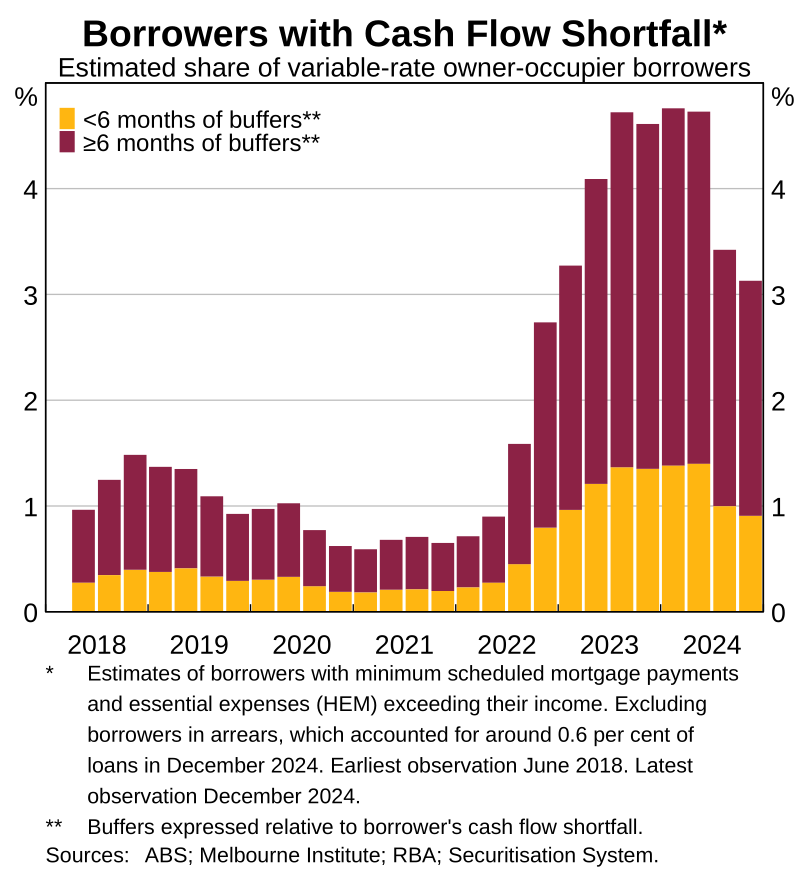
Despite widespread pressures on households budgets, most borrowers have enough income to
cover their essential expenses and scheduled mortgage repayments. Around
3 per cent of borrowers are currently estimated to be experiencing a cash flow
shortfall, putting them at risk of falling behind on their loan repayments (Graph 2.2).
Although this percentage is higher than before the pandemic, it is notably lower than the peak observed
prior to the Stage 3 tax cuts and a further moderation in inflation over the second half of
2024. The
share of borrowers at greater risk of falling behind on their loan – those estimated to have both a
cash flow shortfall and low buffers – has decreased to around 1 per cent of all
variable-rate owner-occupier borrowers. Additionally, the share of loans in formal hardship arrangements
has stabilised, although it remains a little higher than pre-pandemic levels.
Graph 2.2
The share of mortgagors that has fallen behind on their loan repayments due to the challenging
environment remains limited, and the vast majority of borrowers continue to service their loans on
schedule. Overall, the share of households experiencing severe financial stress remains very
low across all regions (see Box: Household financial stress across the regions). In fact, the share of
loans more than three months in arrears has stabilised at around pre-pandemic levels, and the incidence
of household insolvency remains below those levels. Banks expect the share of loans in arrears to peak
this year based on the current economic outlook (see Chapter 3: Resilience of the Australian
Financial System).
Favourable conditions in the labour market have helped to contain loan arrears at low
levels. Low unemployment – and, in turn, the ability of workers to retain or find more
work (including extra hours) and obtain wage increases – has supported households incomes and
their ability to service their debts. While the labour market has softened slightly since late 2022, the
employment rate in Australia remains near record highs.
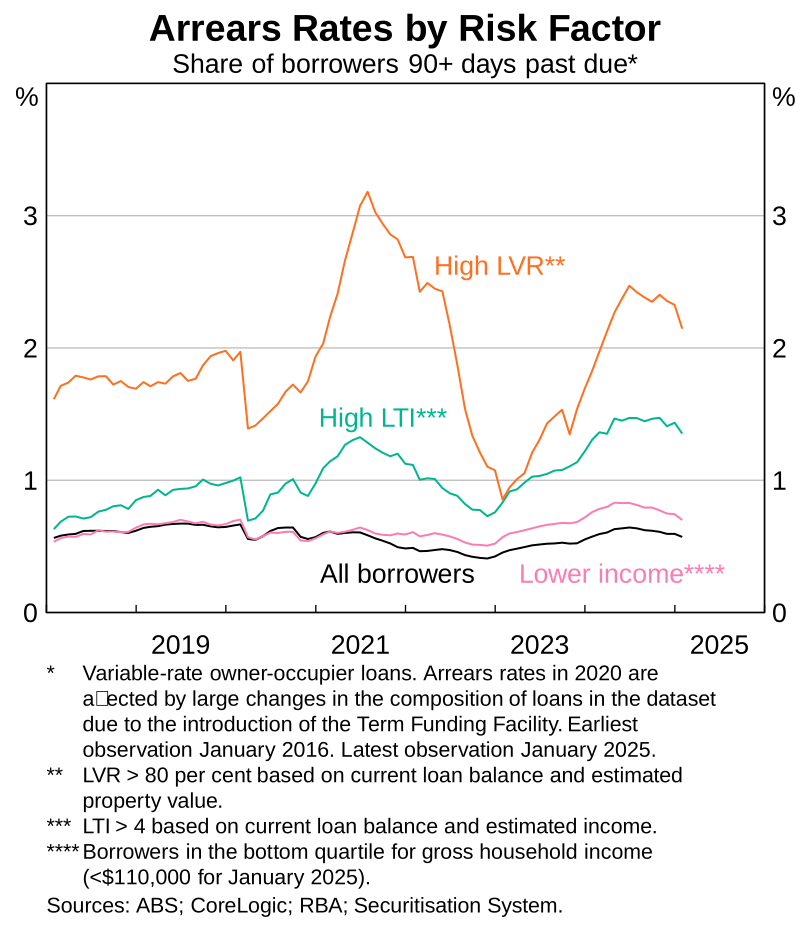
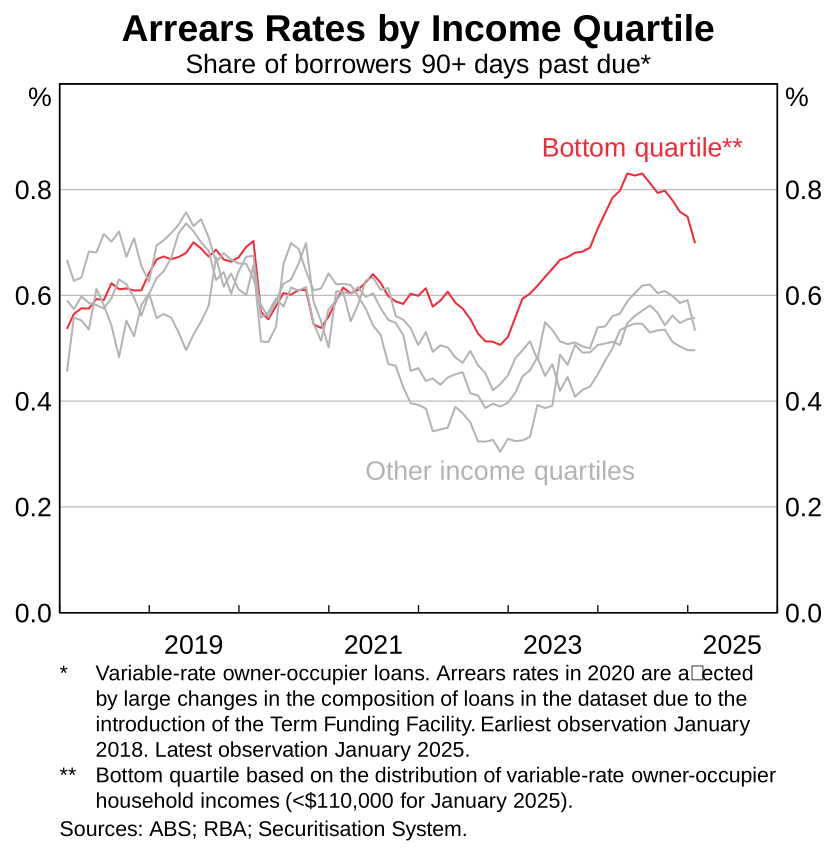
Loan arrears rates remain highest among highly leveraged and lower income households, though these
rates have edged lower in recent months. Highly leveraged borrowers – with high
loan-to-valuation (LVR) or high loan-to-income (LTI) ratios – are significantly more likely to fall
into arrears, and a higher share of these borrowers are currently in arrears compared with the
pre-pandemic period. However, arrears rates for these groups appear to have stabilised in the second half
of 2024 (Graph 2.3). Lower income borrowers, who typically have smaller prepayment buffers, have
also been more likely than the average borrower to fall behind on their mortgage payments. However, these
borrowers arrears rates have declined over the second half of 2024 (Graph 2.4).
Graph 2.3
Graph 2.4
Despite a challenging period, most households have remained resilient and financial stability risks
originating from households remain contained.
Most mortgagors have maintained large liquidity and equity buffers. Not only do these
buffers help individual households withstand pressures on their cash flows, they also prevent stress from
transmitting to the banking system via loan losses in most plausible adverse circumstances. Although the
share of households consistently drawing on their cash buffers has declined relative to 2023, it remains
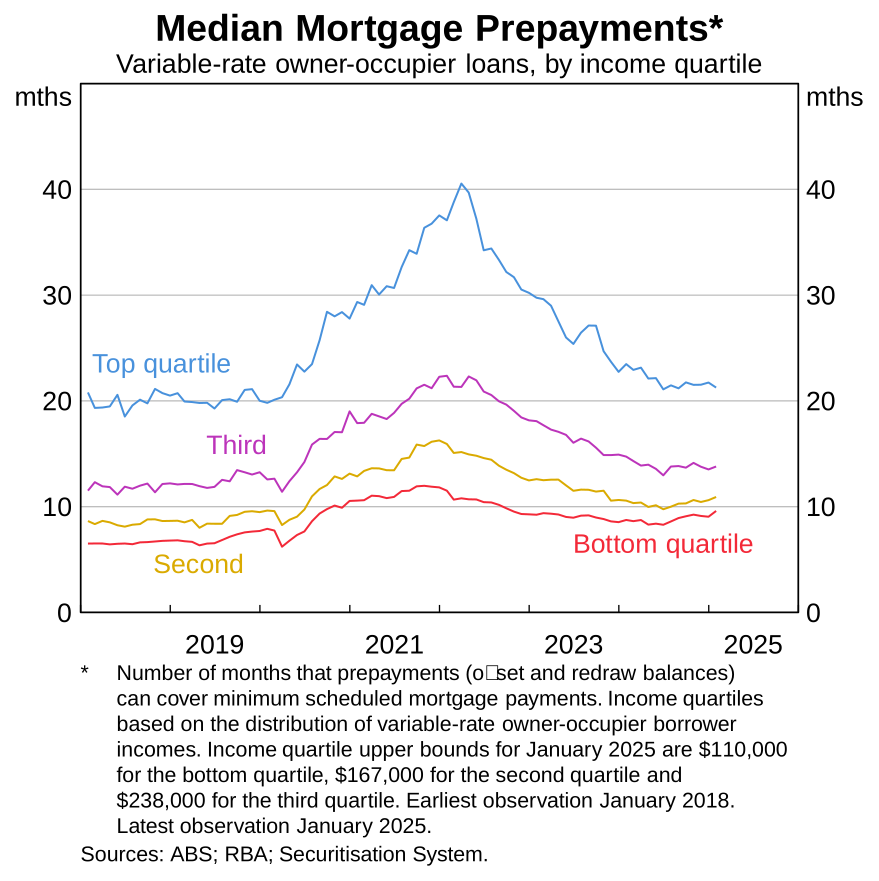
a bit above pre-pandemic levels. That said, all but the highest income quartile have larger prepayment
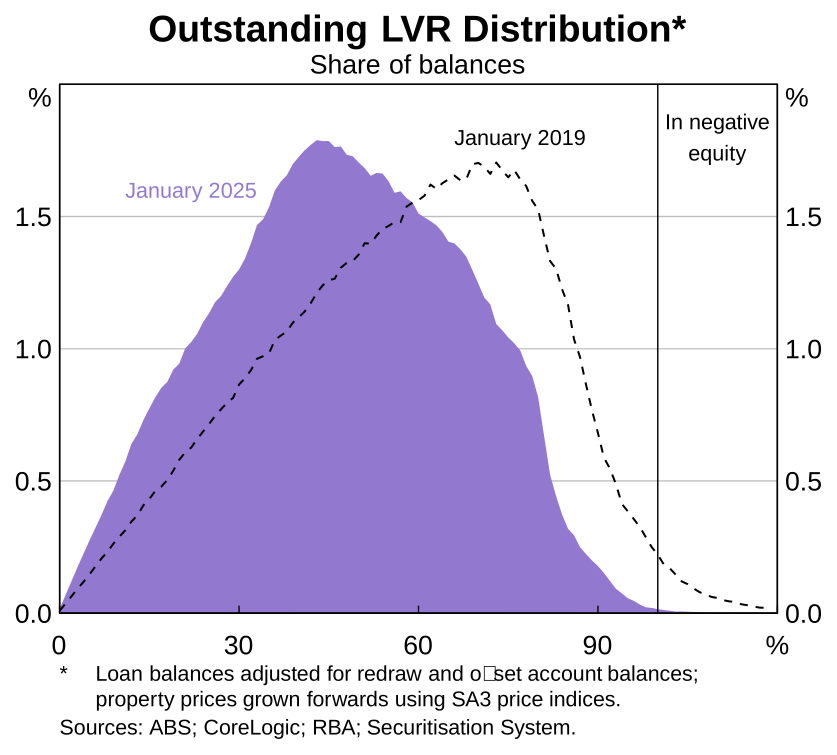
buffers than before 2020 (Graph 2.5). Additionally, mortgagors equity positions are generally
strong, with less than 1 per cent of households currently in negative equity – a
meaningful improvement from pre-pandemic levels (Graph 2.6).
As a result, the vast majority of borrowers would remain able to service their debt under a range
of plausible economic scenarios. Large liquidity and equity buffers would enable most
households to navigate a period of higher-than-expected inflation and interest rates or a
significant deterioration in the labour market. Even when faced with a severe 30 per cent
decline in housing prices, around 9 in 10 mortgagors would still have positive equity. These
borrowers could sell their home – albeit a disruptive and last resort solution – for at least
the outstanding balance of their loan if faced with severe stress.
Graph 2.5
Graph 2.6
Box: Household financial stress across the regions
Across all regions of Australia, households are experiencing financial pressure. Real
disposable income in per capita terms has declined from elevated levels during the pandemic in every
state. The challenging economic environment over the past couple of years has also contributed to an
increase in the share of borrowers experiencing severe financial stress across Australia, although it
remains confined to a fairly small share of households. The share of mortgagors falling behind on their
loan repayments has risen in every state and territory over recent years, from their low levels in 2022
(Graph 2.7).
Graph 2.7
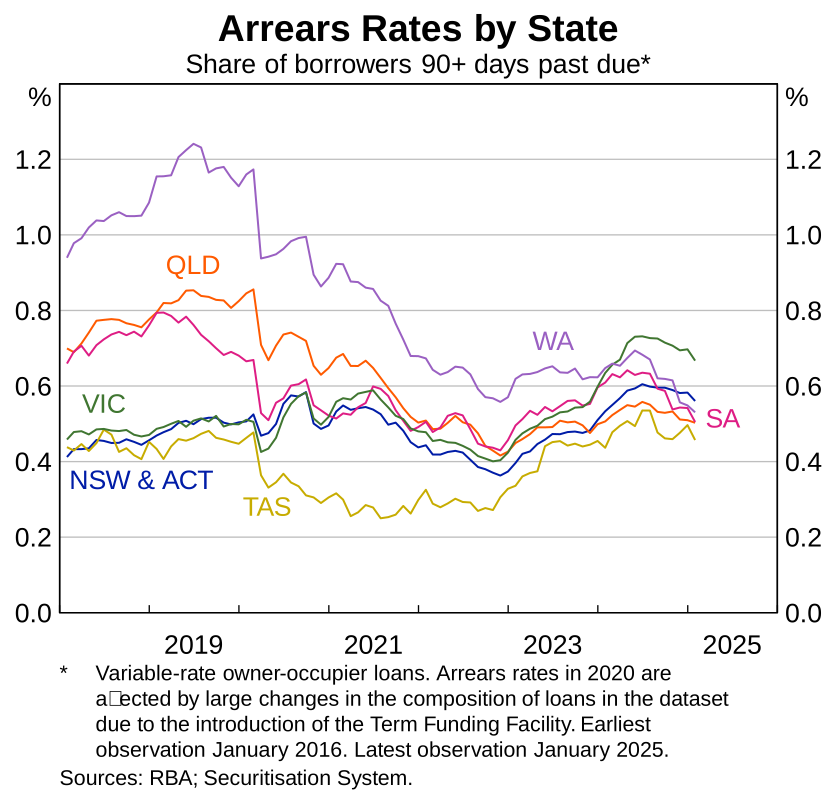
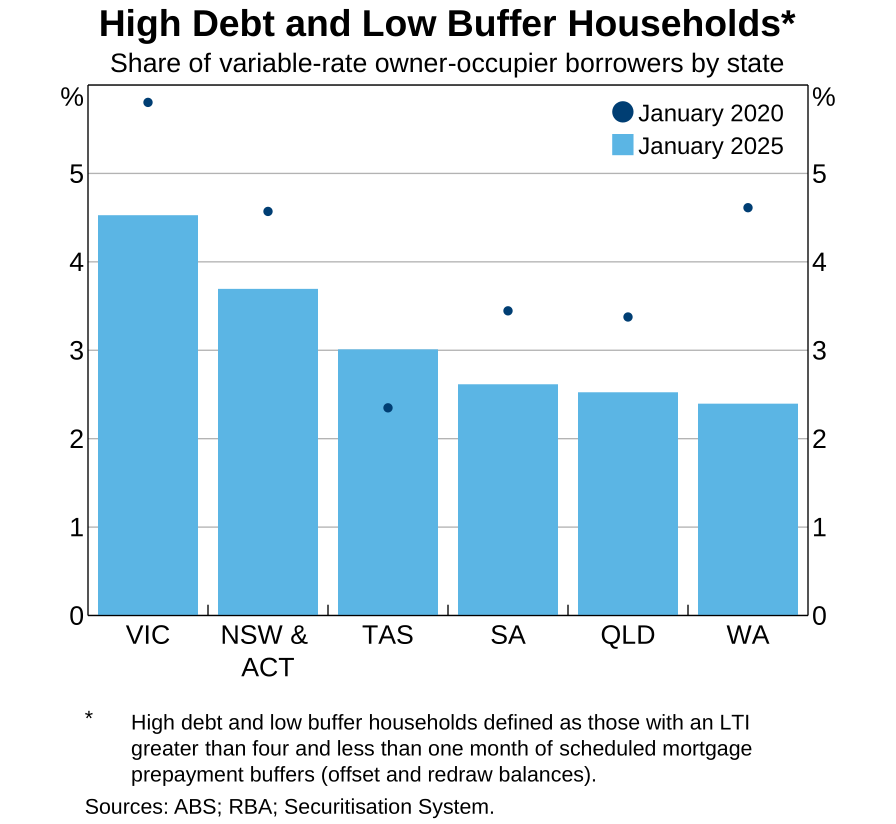
The increase in loan arrears has been most significant in Melbourne and across regional
Victoria. In part, this reflects that a higher share of borrowers in Victoria have both
larger loan sizes and smaller cash buffers than other states, which have made them slightly less
resilient to the increase in inflation and interest rates over recent years (Graph 2.8). Demographic
differences contribute to this – Victoria has a higher proportion of younger households compared
with other states; these borrowers are more likely to have younger loans that have had less time to
amortise. Compared with the other states, economic conditions in Victoria have also been weaker,
including a higher unemployment rate and a modest decline in housing prices; information from liaison
with lenders suggest these factors have also contributed to the higher level of arrears.
Graph 2.8
Loan arrears have stabilised across all states, and, except for Victoria, are either around or
lower than pre-pandemic levels. This is consistent with RBA estimates indicating that a
larger-than-average share of borrowers in Victoria are currently experiencing cash flow shortfalls
– a situation that can lead to arrears if further adjustments to expenditure and income are not
possible – particularly in some parts of regional Victoria. However, no region has more than
7 per cent of all borrowers estimated to be in a cash flow shortfall, only some proportion of
which could be expected to end up in arrears. This suggests that the overall level of arrears is
likely to remain contained, both in aggregate and across the states.
Across all states, most borrowers would remain able to service their debt under a variety of
adverse scenarios. Even in Victoria, where there is a relatively larger share of borrowers
with both higher debt and lower cash buffers, it is estimated that the vast majority would be able to
continue servicing their loans if, for example, interest rates were to remain high for longer or if the
labour market were to deteriorate significantly.
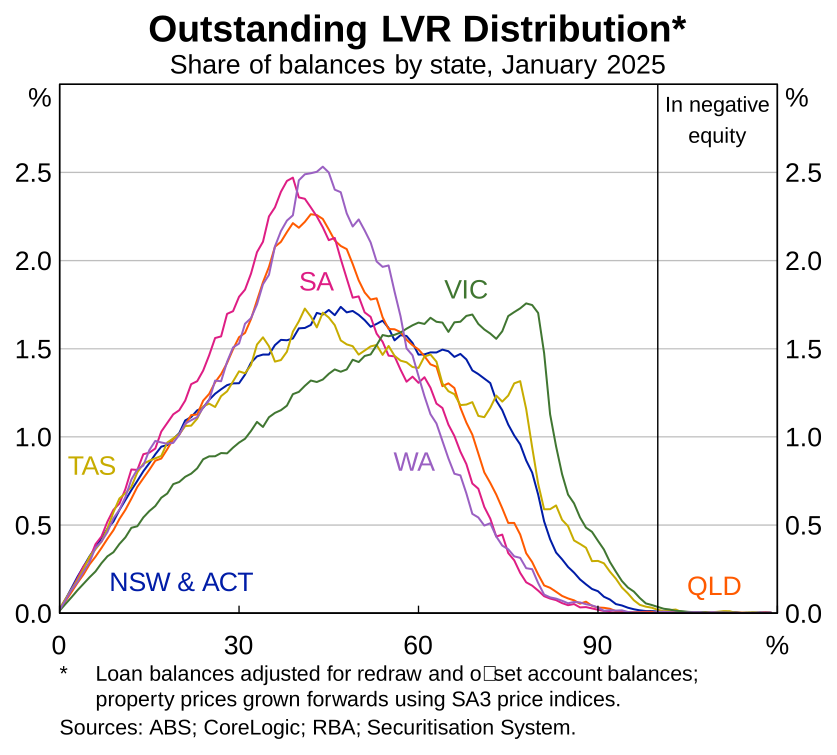
Households in Victoria and Tasmania also tend to have lower equity buffers due to more subdued
housing price growth of late. This means if a sizeable decline in housing prices were to
materialise, a larger share of households in these states would be in negative equity
(Graph 2.9). That said, the share of households owning a home who
are currently in negative equity are at very low levels across all states.
Graph 2.9
Overall, the differences in conditions across the states do not have material implications for
financial stability. Even in the states where financial pressures are highest, the vast
majority of households are estimated to be resilient to a deterioration in conditions from here.
Furthermore, most lenders in Australia are geographically well diversified. Some smaller lenders with
mortgage balances that are more geographically concentrated represent a very small portion of the overall
credit supplied. Banks also have a high level of resilience due to their prudent lending standards and
high quality and quantity of capital.
Pressure on existing mortgage holders is expected to ease further over the coming year according to the
projections in the February Statement on Monetary Policy.
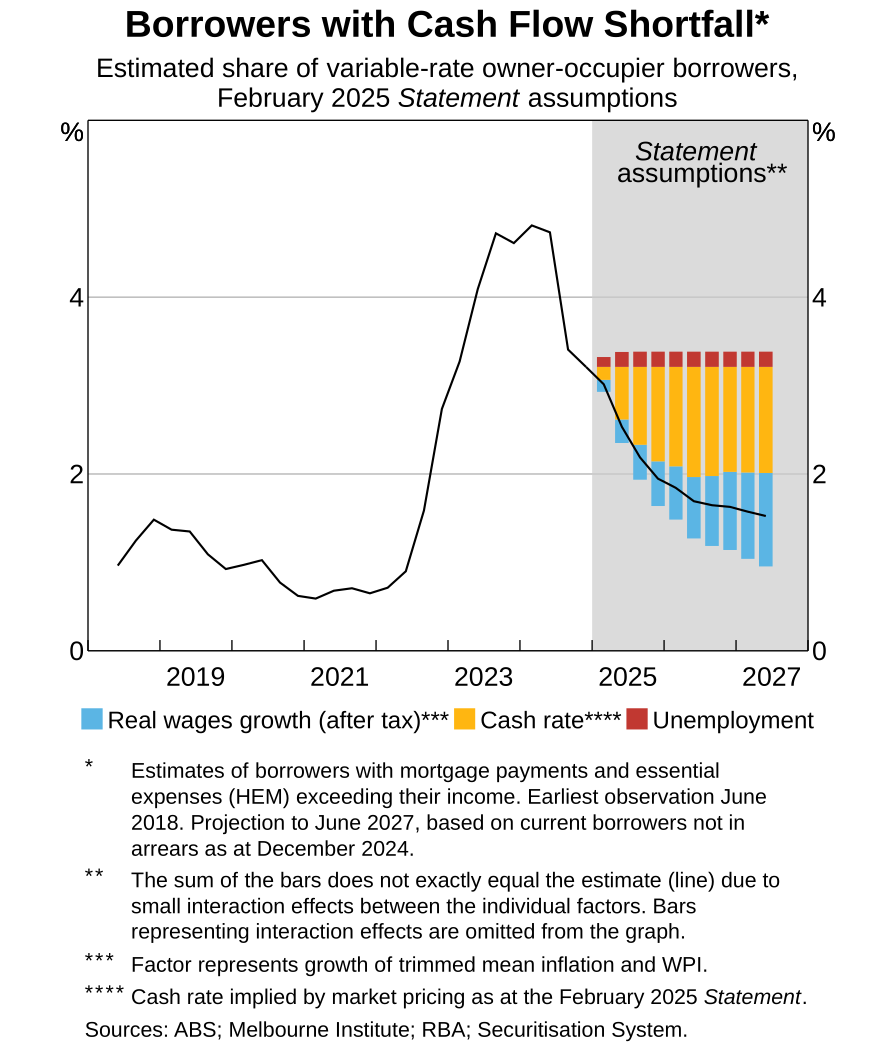
Higher incomes and lower interest rates are expected to support borrowers cash
flows. According to the RBAs central forecasts reported in the February
Statement (which were based on a declining cash rate path in line with market expectations at
that time), real wages are projected to increase over coming years, while the unemployment rate is
anticipated to increase only marginally before stabilising. While the future path for
interest rates and the projections more generally are highly uncertain, this outlook would imply a
further easing in households budget pressures and a further decline in the share of mortgagors with
negative cashflows (Graph 2.10).
Graph 2.10
Regulators, including the RBA, will closely monitor potential housing-related vulnerabilities that could
emerge over time from any actual or anticipated easing of financial conditions.
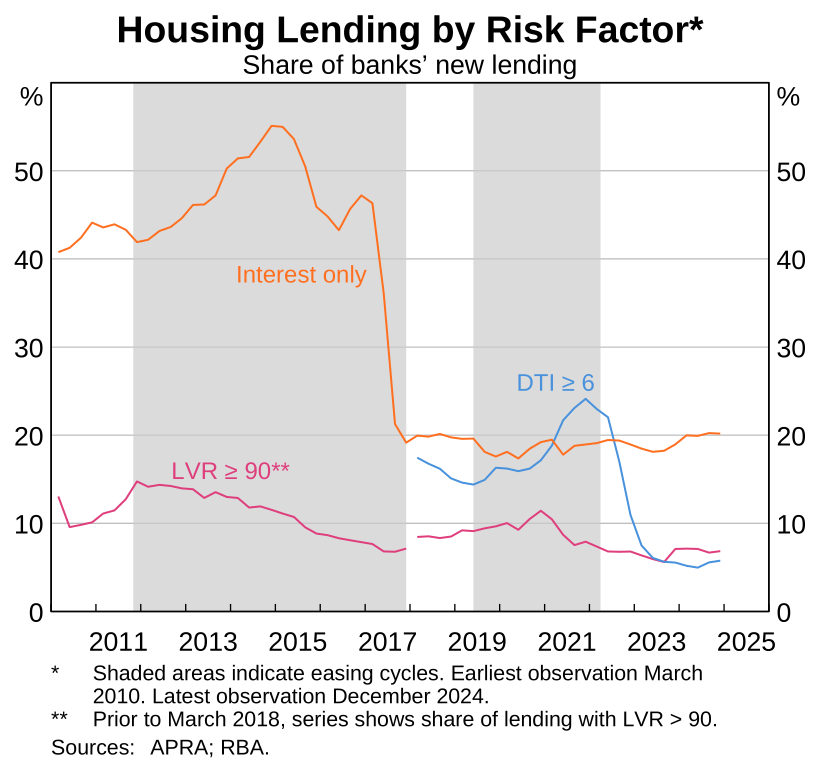
In the longer term, vulnerabilities could build if an easing in financial conditions encourages
households to take on excessive debt. While current lending standards are robust, historical
experience both in Australia and abroad suggests that periods of low and/or falling interest rates can
coincide with riskier borrowing activity and, at times, a relaxation of lending standards and rapid
increases in housing prices. The pandemic easing cycle witnessed a sharp increase in the share of
borrowers taking on large debts relative to their income, and the easing cycle that began in 2011 saw an
increase in interest-only lending before APRAs loan limit was introduced (Graph 2.11).
Graph 2.11
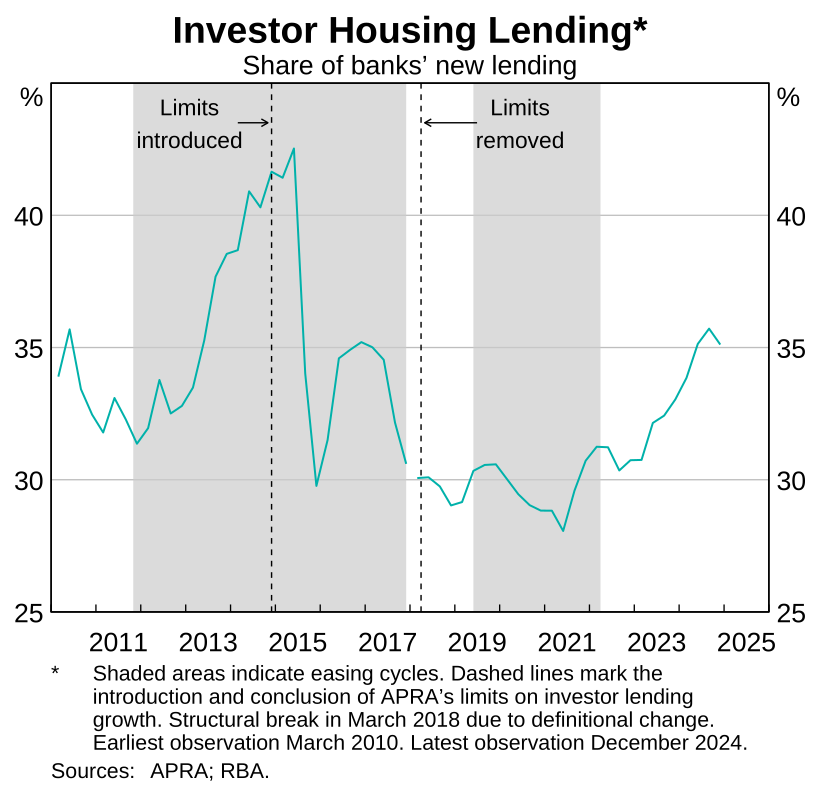
The share of new lending to investors has increased over the past two years.
Historically, investor credit growth tends to rise during monetary policy easing cycles, suggesting
investor activity could intensify further over the period ahead if interest rates evolve as currently
expected by the market (Graph 2.12). Conversely, investor activity could moderate if the future path
for interest rates evolves differently to financial market expectations. While investor lending has
historically been lower risk than other types of mortgage lending in terms of default risk, a high
concentration of investors may contribute to a housing price upswing that can raise the risk of, or
exacerbate, a subsequent market correction down the track. Such a correction could deplete
households equity buffers – particularly for new borrowers – and result in broader
economic disruption.
Graph 2.12
APRAs prudential framework, and macroprudential settings, play an important role in
reinforcing resilience. For instance, APRAs capital standards incorporate higher
risk-weights for investor and interest-only lending, which contribute to containing the associated risks.
Additionally, APRAs serviceability buffer ensures that banks make prudent lending decisions and
extend credit to borrowers that are more likely to be able to repay their loans even if they experience
an unforeseen fall in income or a rise in expenses. The Council of Financial Regulators, the main
coordinating body for Australias financial regulators, will be closely monitoring how household
vulnerabilities evolve in response to any actual or anticipated easing of financial conditions.
2.2 Businesses
Conditions remain challenging for a range of Australian businesses, particularly smaller enterprises,
which has contributed to an increase in business insolvencies.
Subdued growth in economic activity and elevated input cost pressures have made conditions
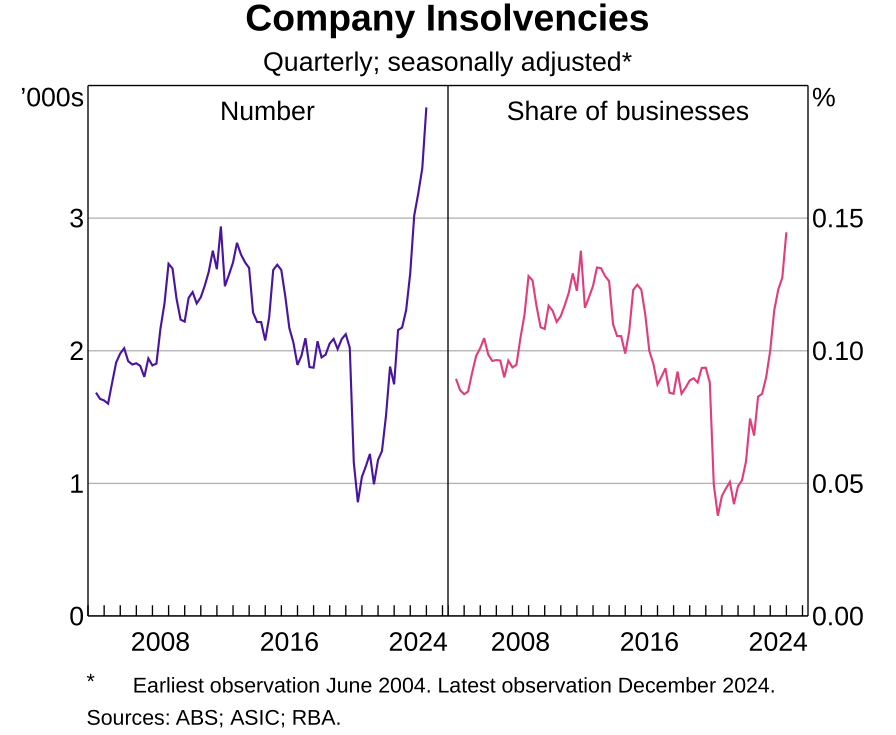
challenging for many businesses. Reflecting the challenging trading environment, the number
of companies entering insolvency has risen sharply but remains small as a share of businesses. Around
0.5 per cent of businesses entered insolvency during 2024 – a rate that is at the top of
the range observed in the 2010s (Graph 2.13). On a cumulative basis, company insolvencies remain
slightly below their pre-pandemic trend, following a period of exceptionally low levels during the
pandemic. The increase reflects challenging trading conditions and the removal of significant support
measures introduced during the pandemic, including the Australian Taxation Office (ATO) resuming
enforcement actions on unpaid taxes.
Graph 2.13
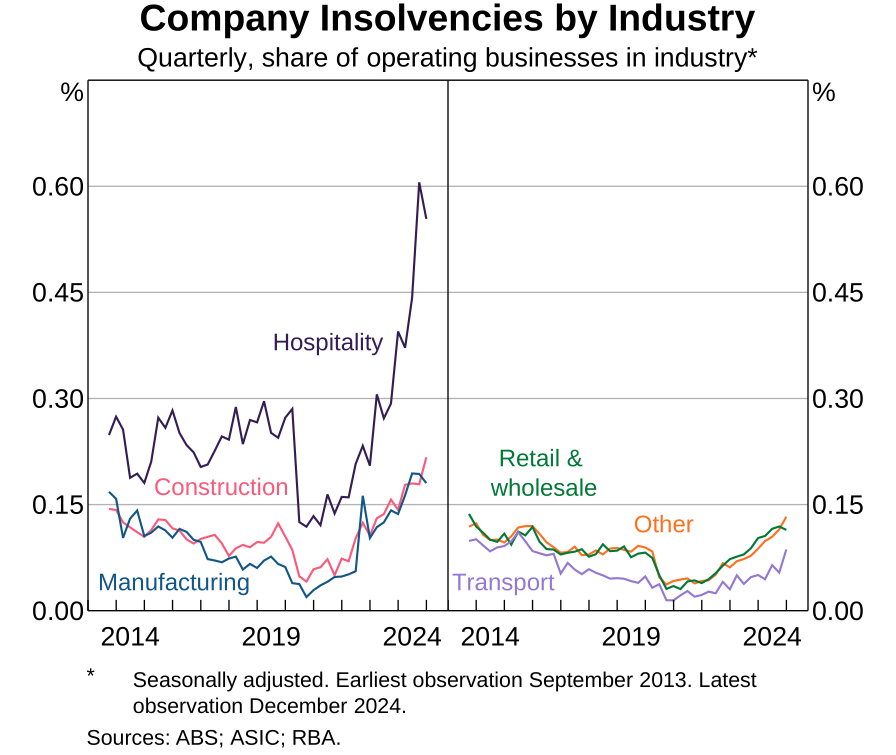
The increase in the number of insolvencies has been driven by small construction and hospitality
businesses. This reflects ongoing challenges in these sectors. Insolvencies are also
elevated in manufacturing as a share of businesses operating in that industry; however, given the
industrys small size this has not contributed materially to the overall rise (Graph 2.14).
Meanwhile, insolvencies in other industries have also increased, although this has generally only taken
them back to more typical historical levels as a share of operating businesses.
Graph 2.14
Financial stability risks stemming from the recent increase in insolvencies remain contained.
This outcome reflects that businesses entering insolvency are typically small and carry little
debt, resulting in banks having little exposure to them. The indirect effects of insolvencies on
financial stability, for example through job losses at insolvent companies, have been limited by the
small size of these companies and the strength of the labour market helping most affected employees to
quickly secure new employment. The drivers of recent insolvencies and impact on the financial system are
discussed in more detail in 4.3 Focus Topic:
The Recent Increase in Company Insolvencies and its Implications for Financial Stability.
Nevertheless, most businesses continue to be profitable and resilient to shocks.
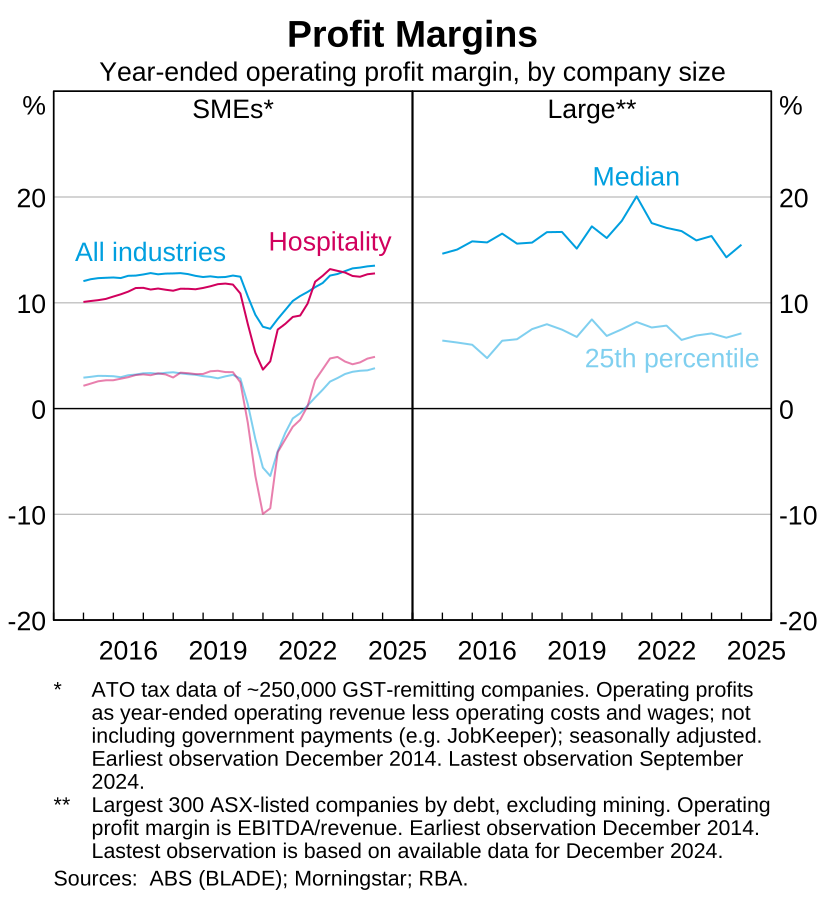
Most businesses remain profitable, despite the ongoing pressures (Graph 2.15). Most
large and small businesses profit margins are around the level recorded over the 2010s, although
our measure for small businesses is only available to the September quarter 2024 and surveys suggest that
these businesses have faced increased pressure on their profitability since then. Additional measures
– such as the share of businesses experiencing growth in profits or conversely making losses over
the past year – are also around the average of the 2010s. Liaison indicates that many businesses
have faced challenges in passing on higher input costs and they have implemented cost cutting measures to
remain profitable. Many have achieved sufficient revenue growth to offset increased labour and non-labour
costs over the past year or so – excluding interest payments, which are discussed below.
Experiences do vary across businesses, with a sizeable number of particularly smaller businesses making
losses, although this is not unusual.
Graph 2.15
Borrowing costs have declined a little, alongside the reduction in the cash rate announced at the
February Board meeting, although remain high relative to the post global financial crisis
average. Outstanding interest rates on loans to businesses and effective interest rates for
listed companies – covering all their sources of debt – were little changed over the second
half of last year. More recently, interest rates on loans have declined a little. While interest expenses
remain at a relatively high level, liaison suggests this is less of a concern for businesses cash
flows than other cost pressures.
Lenders ongoing appetite to lend to businesses has also reduced refinancing risk.
Heightened competition for business loans over the past year has further supported some businesses
access to finance; and conditions in corporate bond markets, including offshore, also remain
favourable.
Most businesses have maintained robust balance sheets, providing an important source of
resilience. Businesses ongoing profitability has allowed them to avoid depleting their
cash holdings or taking on additional debt to manage cash flow pressures. Latest available data suggest
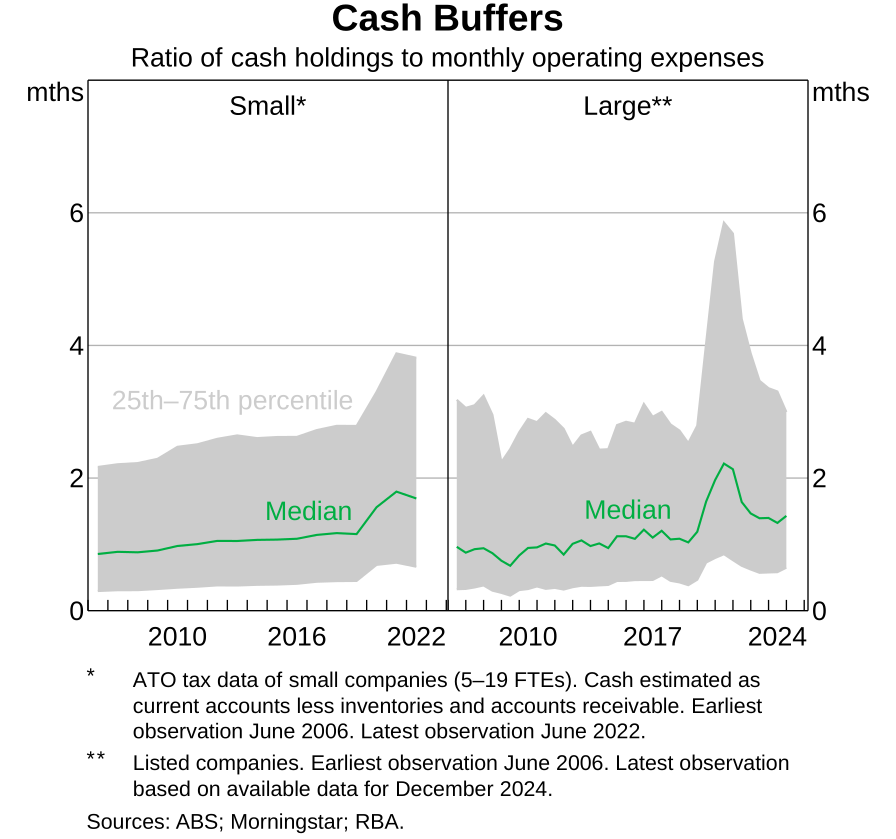
that most businesses hold cash buffers – which measure holdings of cash relative to expenses
– above the average of the 2010s, although our measure for small businesses is only to mid-2022 and
buffers have likely declined since then (Graph 2.16). Although these buffers have declined from
their pandemic peaks, the decline has been driven more by the increase in expenses than draw down of cash
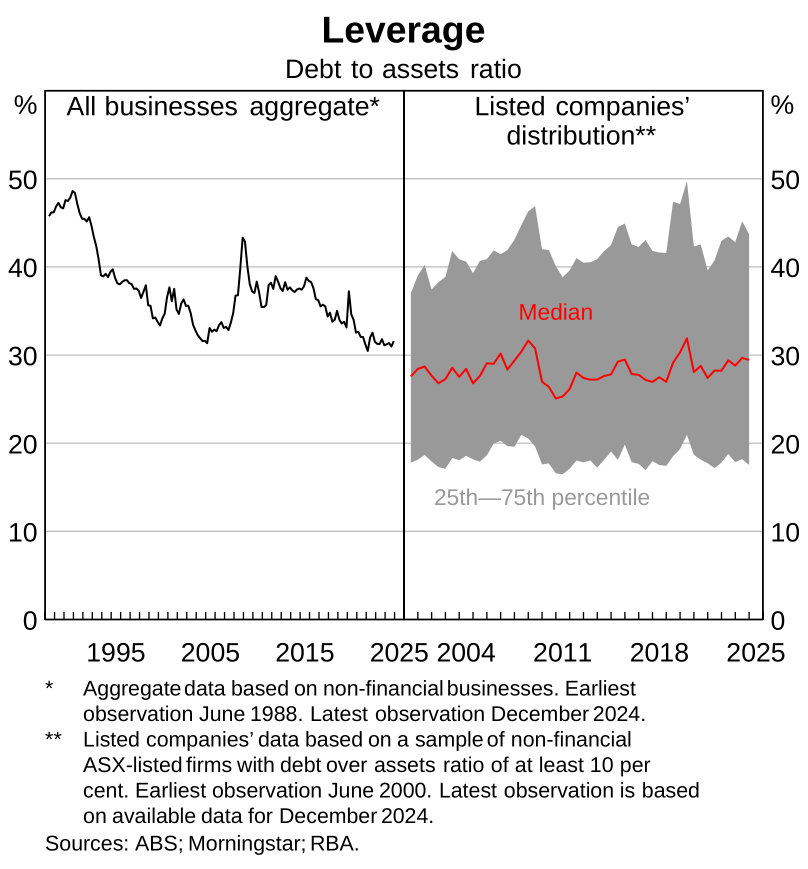
balances. Similarly, overall leverage remains near historical lows in aggregate, and most indebted
larger, listed companies leverage is comparable with their 2010s average (Graph 2.17). This is
despite growth in business debt being well above its historical average.
However, these metrics might overstate the degree of resilience, particularly among smaller businesses,
since outstanding debts to the ATO remain elevated relative to pre-pandemic levels
(see 4.3 Focus
Topic: The Recent Increase in Company Insolvencies and its Implications for Financial
Stability).
Conditions also vary by industry, with small businesses in hospitality and retail typically holding
smaller cash buffers.
Graph 2.16
Graph 2.17
Early indicators of financial stress have stabilised or improved and pressures on businesses cash
flows are expected to ease under the RBAs central forecasts from February …
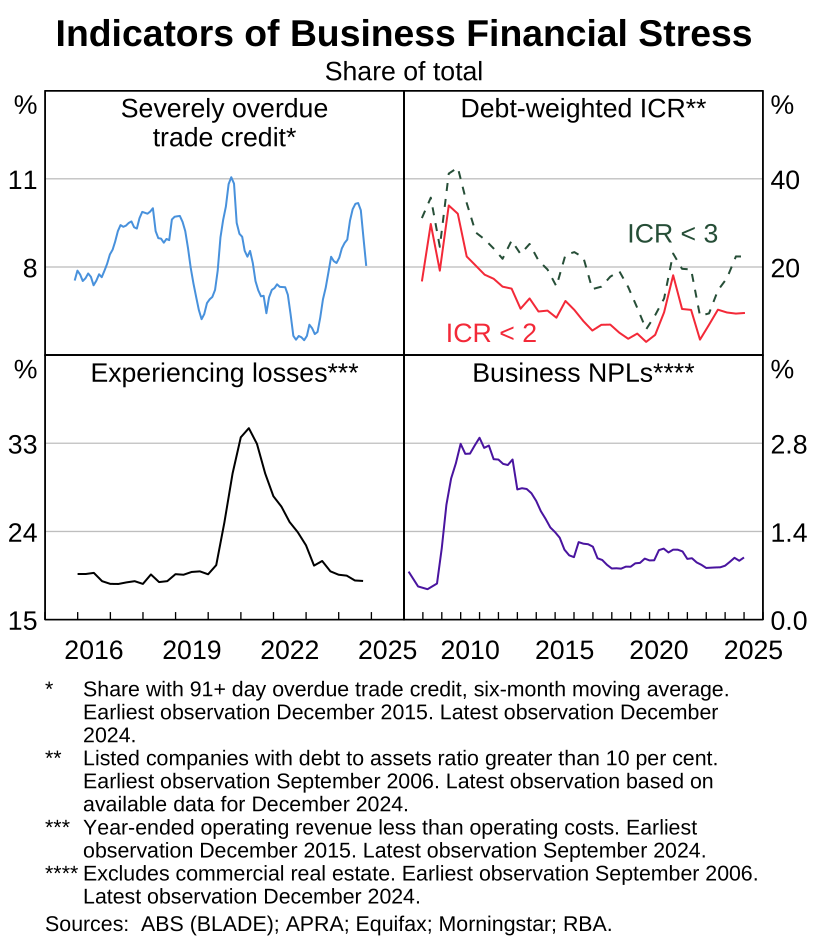
Early indicators of financial stress have stabilised or improved, according to the latest
available data. More specifically:
- The share of businesses with severely overdue trade credit declined over the second half of
last year, to be around its historical average level (Graph 2.18, top left panel).
This trend is especially significant for small businesses, for whom trade credit is a crucial source
of funding, and a mechanism via which financial stress can spread between businesses. There was a
particularly sharp fall among hospitality businesses; however, this follows a large increase over the
12 months prior and the share of firms with severely overdue trade credit remains above its
pre-pandemic average. - The share of firms making operating losses declined, after increasing during the pandemic,
and is around average levels (Graph 2.18, bottom left panel). While an operating
loss does not necessarily signal financial stress, it means the firms must draw down on cash holdings
or take other actions – such as increasing debt, liquidating assets, or securing an equity
injection – to cover shortfalls. The incidence of losses is higher in some industries, such as
retail. It is also higher among small businesses, with nearly 20 per cent reported
operating losses in the June quarter, which aligns with the pre-pandemic five-year average.
Furthermore, around half of those businesses with low operating profit margins have experienced this
for the past year, although again this is around its pre-pandemic average. - Larger companies debt servicing capacity has increased a little. Among larger
listed companies, interest coverage ratios (ICRs) – which measure earnings relative to interest
expenses – have generally improved slightly. The share with an ICR less than two – the
threshold indicative of weaker debt servicing capacity and historically associated with an increased
risk of insolvency – is little changed (Graph 2.18, top right panel).
Graph 2.18
Cash flow pressures are expected to ease for many businesses. Borrowing costs are
expected to decline, as noted above, and the RBAs central forecasts from February, based on the
market-implied cash rate path at the time, suggest a recovery in demand growth and further easing in
labour cost growth. However, RBA liaison suggests that firms expect non-labour cost growth to remain
elevated over the coming year and many companies – especially those exposed to consumer
discretionary spending – remain cautious due to uncertainty surrounding the outlook. Although it
will take time for this easing in cash flow pressures to translate into a lower level of insolvencies
(see 4.3 Focus Topic: The Recent Increase in Company Insolvencies and its Implications
for Financial
Stability), banks do not expect their business non-performing loans (NPLs) to increase materially.
… although the outlook is highly uncertain, including owing to international policy uncertainty and
geopolitical tensions.
If downside risks to the global economic outlook materialise, they could spill over to some
Australian businesses via trade linkages or tighter access to offshore funding markets (see
Chapter 1:
The Global Macro-financial Environment for more detail, including broader effects of this
scenario). Some export-intensive businesses would be especially exposed to an intensification of global
trade tensions, particularly to the extent that it leads to weaker growth in Australias trading
partners. Most export-intensive firms (excluding mining) are small wholesale or manufacturing firms and
account for a very small share of total liabilities and direct employment. Wholesalers are generally more
leveraged than other firms, but they typically have greater agility to scale their operations in response
to falling sales compared with manufacturers. Additionally, the impact on broader risks to the
financial system is limited by banks relatively small exposures to these firms.
Generally strong business balance sheets would limit the risk of widespread financial stress in
most plausible adverse scenarios. Most larger listed companies are likely to be able to
service their debts even if their earnings were to decline for a period or if interest rates rise or
remain at their current level for longer. Consistent with this, market pricing of default risk
among larger companies remains relatively low, although has increased. Smaller businesses are typically
more vulnerable to adverse economic outcomes, as they tend to have higher year-to-year earnings
volatility.
An actual or anticipated easing in financial conditions does not appear likely to contribute to a
material build-up of vulnerabilities in the business sector given the current outlook.
Business leverage is at historically low levels and on balance, is not expected to pick-up notably
in response to any actual or anticipated easing in financial conditions. This assessment is
based on several key factors:
- Outlook for demand: Changes in business leverage tend to be more influenced by
demand for businesses output than the cost and availability of debt funding. While aggregate
private demand growth is forecast to recover over the coming year, it does so from subdued levels and
only recovers to around its historical trend rate over the forecast period. - Historical trends: Consistent with demand typically driving leverage, business
leverage has tended to decline during previous monetary policy easing cycles in Australia as these
periods are more likely to be associated with a weaker economic environment. - High cash buffers: Businesses continue to hold large cash buffers, providing a
cheaper alternative to fund expansion than taking on external finance such as debt. - Low interest coverage ratios: ICRs remain low, which is associated with lower use of
debt.
However, the RBA and other regulators will continue to closely monitor for any build-up of
vulnerabilities, at both the aggregate level and at a more granular level. Monitoring will
extend beyond regulated entities like banks to include business credit supplied by non-bank financial
institutions (NBFIs), where transparency is more limited (see Chapter 3: Resilience of the
Australian Financial System for more detail on risks stemming from NBFIs).
2.3 Commercial real estate
CRE market fundamentals are generally improving, and there is little evidence of financial stress among
owners of Australian CRE.
Fundamentals have improved and valuations stabilised in most CRE markets, although conditions
remain uneven across sectors and locations. One exception is among lower grade office
properties, where leasing demand remains weak and valuations have likely not reached their bottom.
Additionally, there are some locations in Australia where office vacancy rates are particularly high,
such as parts of Melbourne.
There continues to be little evidence of financial stress among owners of Australian CRE.
Specifically:
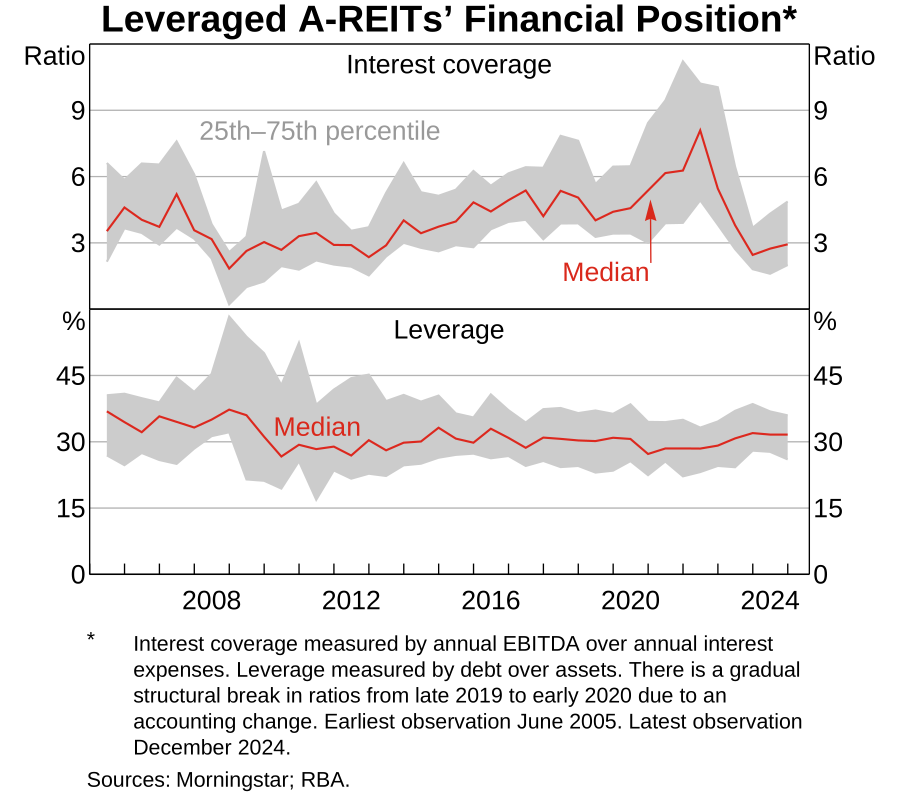
- A-REITs maintain strong financial positions (Graph 2.19). Earnings remain
robust, and leverage has stabilised at modest levels reflecting that for many A-REITs the pace of
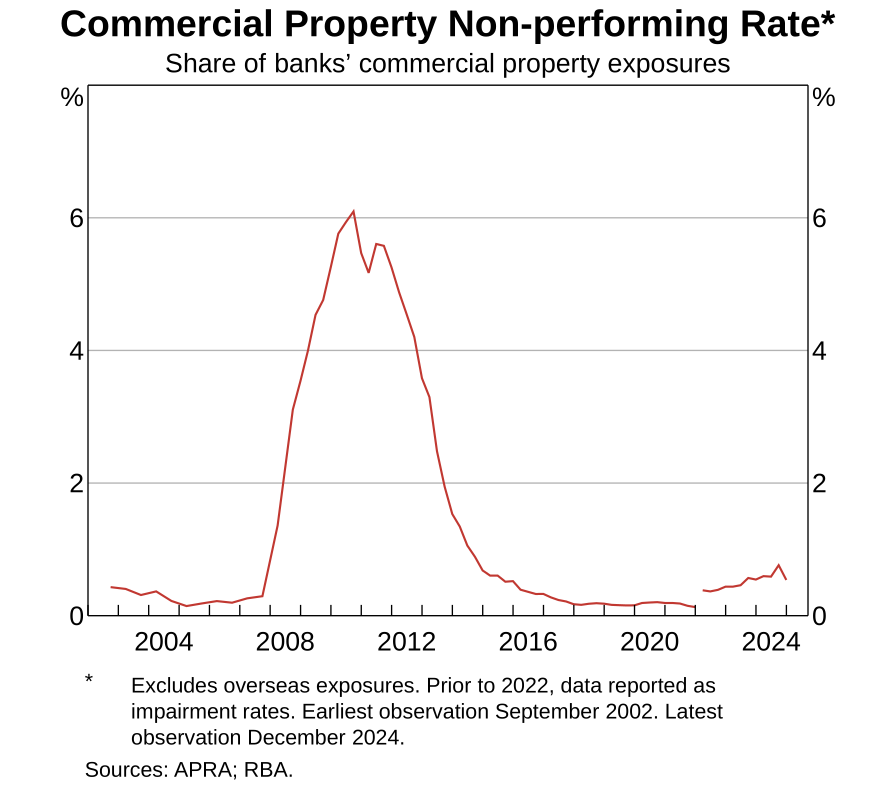
asset write-downs has slowed. - The share of non-performing CRE loans at banks has increased slightly but remains low by
historical standards (Graph 2.20). While there is an elevated number of borrowers
on watchlists, liaison with banks suggests that borrowers are moving both on and off these
watchlists, with banks remaining willing to work with those who can demonstrate a path back to
meeting minimum requirements. - Latest available data suggests that leverage remains low, and liquidity pressures have likely
eased for many unlisted trusts. While a small tail of highly leveraged funds is more
vulnerable to a decline in valuations, these funds are generally small and hold very little debt
relative to the overall market, limiting the potential spillovers to the broader CRE market. - Liaison suggests that loan quality remains sound among non-bank lenders. However,
visibility is limited, particularly among lenders with significant exposures to lower quality assets
or borrowers.
Graph 2.19
Graph 2.20
Strong appetite for lending to Australian CRE is supporting borrowers access to credit; however, if
this trend leads to a deterioration in lending standards, it could ultimately undermine the resilience of
the market.
Many banks now have an increased appetite for CRE lending, intensifying competition with non-bank
lenders, which could lead to a deterioration in lending standards. Liaison suggests that
banks, particularly larger banks, are eager to expand their CRE portfolio – especially in
residential development – which has led some to adjust loan terms, such as lowering presale
requirements, albeit while simultaneously reducing LVRs. Although this heightened competition supports
borrower cash flows and credit availability, it also increases the risk that credit may be extended to
riskier borrowers, potentially building vulnerabilities over time.
However, banks continue to have small exposures to CRE and conservative lending practices, while
systemic risks from non-bank lenders are also limited (see Chapter 3: Resilience
of the Australian Financial System). CRE loans represent around 6 per cent of total assets for the
major banks, and the quality of these loans remain sound despite some adjustment in terms. By contrast,
there is less transparency regarding non-bank lending, where lending standards are typically weaker as
these institutions tend to have a higher risk tolerance and service a different segment of the CRE
market. While currently non-bank lenders play a small role in the CRE market, they are an important
source of credit for some borrowers and their role is widely expected to grow. In the event of losses,
these would be passed onto investors, potentially causing funding challenges if investors reallocate
their capital, although systemic risks from NBFIs remain contained (see Chapter 3: Resilience
of the Australian Financial System).
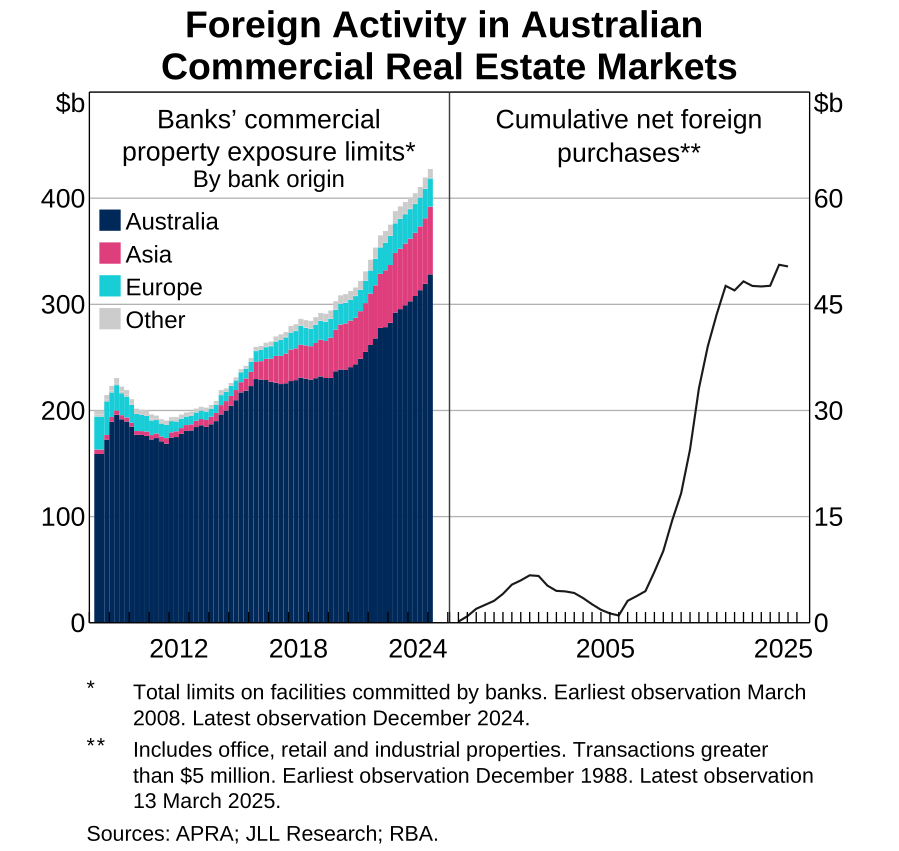
Conditions in global CRE markets have stabilised and offshore interest in Australian CRE remains
strong (see Chapter 1: The Global Macro-financial Environment). Foreign ownership of
established CRE has increased on net over the past year (Graph 2.21, right panel) and liaison
suggests that foreign interest via trusts has also picked up. Foreign banks continue to lend to owners of
Australian CRE; although their exposures have grown more slowly recently, they still account for over
20 per cent of CRE-related bank lending (Graph 2.21, left panel). Listed Australian real
estate investment trusts (A-REITs) access to offshore funding has not unduly tightened. Overall,
these factors suggest that the risk of recent overseas CRE markets stress affecting Australia through
interconnected funding and ownership sources has eased.
Graph 2.21