MOBILE, Ala. – The Alabama State Board of Education met Thursday on the University of South Alabama campus for its January meeting, work session and retreat.
While the board meeting was short, much of the discussion shifted to the work session, where State Superintendent Eric Mackey previewed issues that will return to the board in the coming weeks.
Mackey told board members he has been reviewing social studies textbook options and plans to bring recommendations to the board at the February work session. The November vote was postponed after multiple board members expressed concern about how the textbooks portrayed American history.
He also said the state’s school counseling plan, presented in draft form in October, will return next month with revisions following additional feedback.
The board then discussed how Alabama should respond to the federal Department of Education’s decision to discontinue the National Blue Ribbon Schools Program.
Board member Tonya Chestnut asked whether the state could recognize Alabama schools that were nominated before the program was dropped. Mackey said he nominated five schools for the 2025 award and that the board could recognize them by passing a resolution during the next board meeting.
Other states have already taken steps to honor schools that were set to receive the award before it was discontinued.
Board member Kelly Mooney raised the possibility of creating a state-level recognition program similar to National Blue Ribbon. Mackey said the idea could be explored but noted that the federal criteria used to select schools were already under review before the program was eliminated, and that he’d like to review the criteria before setting up a state program.
Legislative outlook
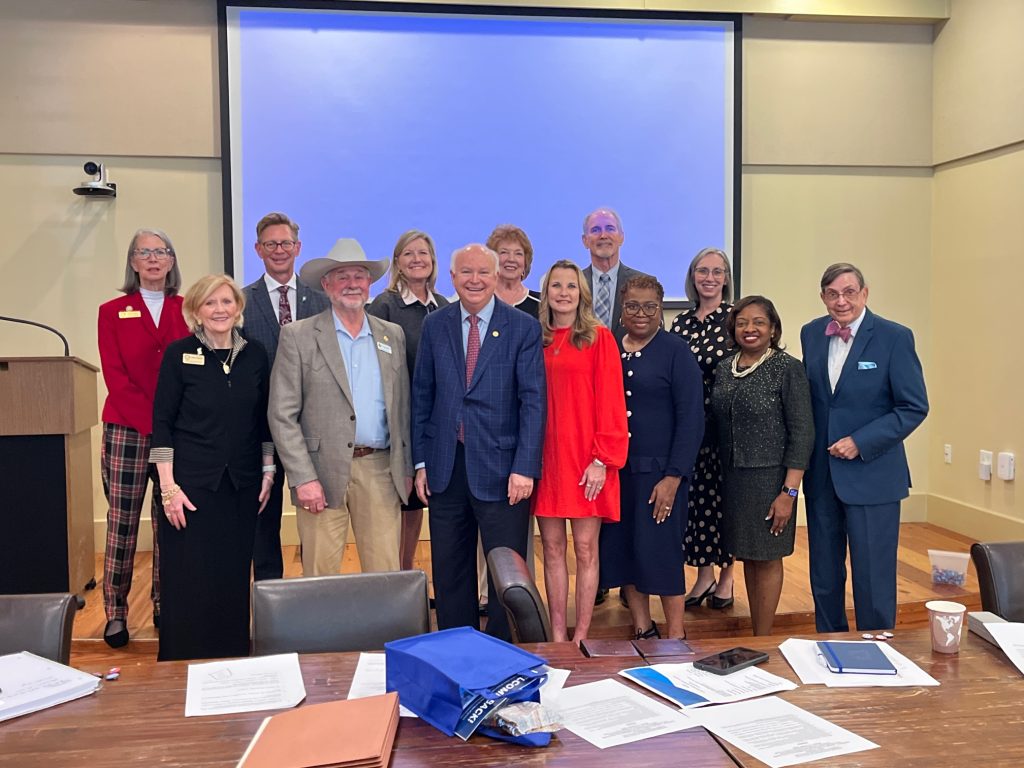
With lawmakers returning to Montgomery next week to start the 2026 session, Mackey touched on the legislative outlook. He told board members their spending priorities are reflected in Gov. Kay Ivey’s budget proposal but said it was too early to discuss specifics.
The board approved a $6.6 billion FY27 budget request in October.
Board member Tracie West asked if lawmakers might consider changes to the CHOOSE Act, which allows eligible students to use $7,000 in state funding to pay for private school tuition and eligible education expenses. It also allows eligible homeschooled students to use $2,000 in state funding, up to $4,000 per family.
West said she would like to see the state adopt a rating system for curricular materials sold to families using CHOOSE Act money so parents will know which materials are best for their child’s needs.
Mackey said he does not anticipate lawmakers making any changes to the CHOOSE Act during its first year.
Screen time limits questioned
One bill Mackey said he is watching Rep. Jeana Ross’ bill to limit screen time for young students in publicly-funded learning settings. Specifically, the bill prohibits screen time for children under 2 years old and limits children 2 to 4 years old to 30 minutes of screen time daily, with a maximum of 90 minutes per week.
Mackey said the screen time bill builds on the cell phone ban, which he said has received mostly positive feedback, but noted that broader limits on screen use are more complicated.
He said he supports the bill but is already seeing some pushback.
Mackey said some companies are concerned about a potential “pendulum swing” after years of pushing instruction online.
“There are a lot of curriculum companies and technology companies that are moving everything online,” he said. “And so as we say we’re going to limit screen time, they want to have a conversation about what that means.”
Mackey said schools won’t get rid of screens, but it is worth examining how much time students spend online during the school day. “We’re not going to go back to not having anything, but probably the research is showing that we are getting too much,” he said.
Mobile County school improvements
The board also heard from Mobile County Public Schools, the state’s largest district that serves about 49,000 students across 90 schools.
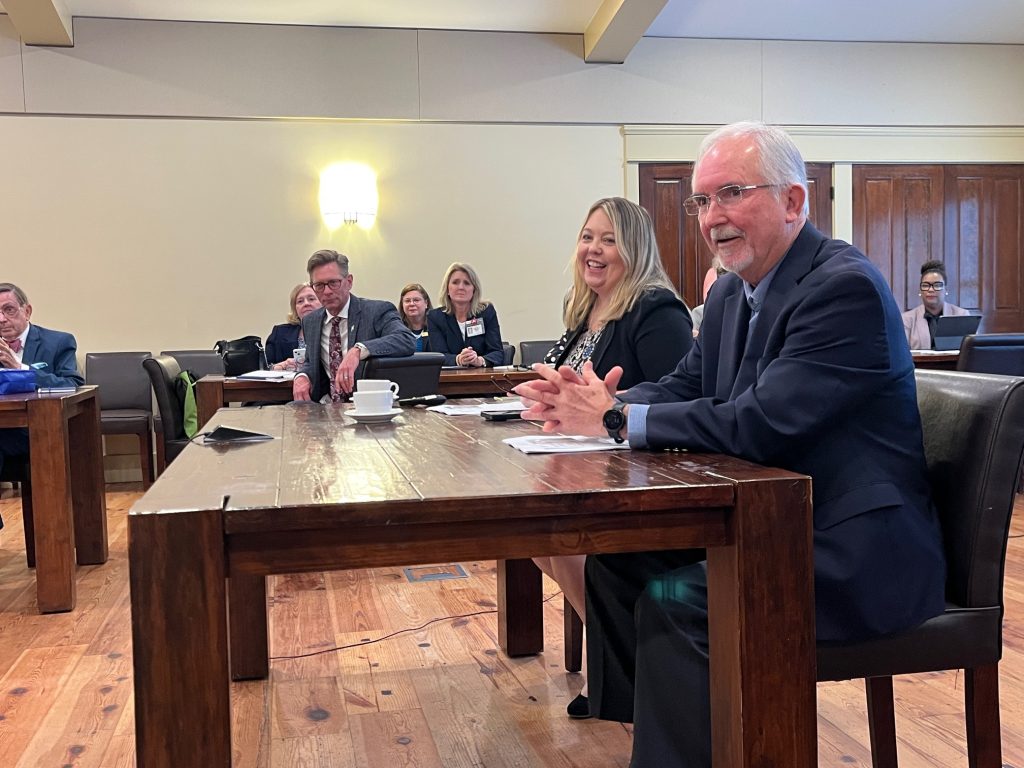
District leaders highlighted recent academic gains, including an increase in the district’s state report card score from 76 in 2017 to 83 in 2025 – a notable improvement for a system of its size.
Among other accomplishments and innovations, school officials also noted the district’s high school choice model, which allows students to attend any of its 12 high schools, with transportation provided.
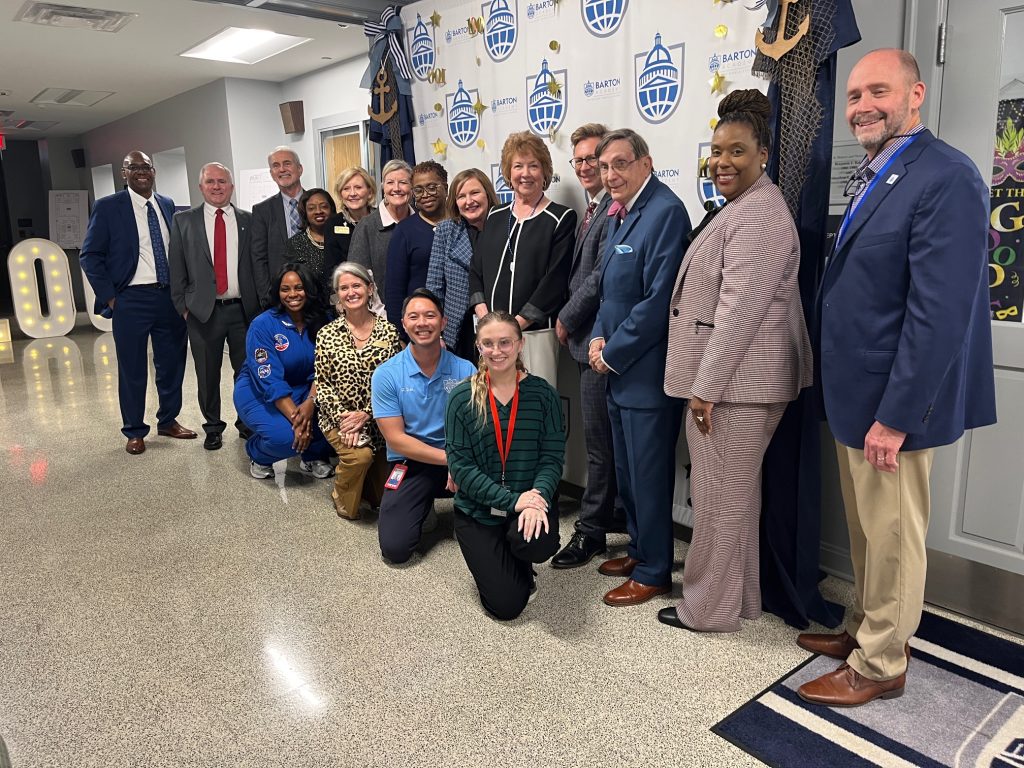
The day concluded with a visit to Barton Academy of World Studies. It’s housed in the oldest public school building in Alabama, constructed in 1836.
The board’s retreat continues today with a visit to Baldwin Preparatory Academy, where Baldwin County legislators have been invited to join board members for discussion.