

Despite progress in many areas, environmental hazards continue to affect public health in the EU. Air pollution, noise, heavy metal emissions, heatwaves and cold spells continue to cause health issues and fatalities across Europe each year. Europe has put in place a wide range of policies and measures to reduce such health impacts.
Pollutants in the environment or climate-related events can have a massive impact on our health. Air and noise pollution, and heavy metals like mercury are directly related to health issues like asthma, hearing loss, dehydration and heart diseases. Heatwaves and floods affect the whole population but cause the highest burden for vulnerable groups like infants, the elderly, those in poor health or communities living on floodplains.
Air pollution is the single most important cause of environmental health hazards affecting millions of Europeans. Air pollution can cause lung and heart diseases and premature deaths. More than 90% of Europeans living in cities are exposed to harmful levels of fine particulate matter, which causes more than 200,000 premature deaths per year in Europe.
- Noise pollution from highways, airports and streets can lead to hearing loss, tinnitus, sleep loss, and cardiovascular and metabolic diseases. Long-term exposure to environmental noise is estimated to cause 12,000 premature deaths and contribute to 48,000 new cases of ischemic heart disease per year in Europe.
- Pollutants can enter rivers and lakes, eventually accumulating in our oceans. Some chemicals used in industry and agriculture can enter the food chain and accumulate in our bodies. Ongoing biomonitoring research sheds light on these chemicals and their health impacts.
- Climate change affects all Europeans. It can cause heatwaves, elevated exposure to UV radiation, extreme and harmful weather events, prolonged and intensified pollen seasons, the proliferation of infectious diseases and forest fires. Vulnerable groups like the elderly, children and people with a low income or in poor health are most affected. One in ten European schools and hospitals may also be at risk of flooding.
The health impacts of specific environmental stressors like air pollution, noise, chemicals and climate change are being thoroughly researched.
Recent findings include:
- Environmental risks are estimated to cause over 18% of cardiovascular disease-related deaths in Europe.
- Environmental and occupational risks are responsible for around 10% of all cancer cases in Europe — almost all of which are preventable.
- Heavy metals emissions are in decline. Between 2005-2019, EU lead emissions decreased by 44%, mercury emissions decreased by 45% and cadmium decreased by 33%.
- Europe’s air is cleaner but health impacts continue. The EU has achieved significant improvements in air quality over the last four decades. Still, exposure to pollutants, particulate matter and NOx from road transport continues to cause health concerns.
- Forever chemicals continue to pose health risks. National monitoring shows that per and polyfluorinated alkyl substances (PFAS) are accumulating in drinking water supplies in the EU. Their health impacts have not been fully assessed yet.
- Climate change increases health risks. Over the past decades, Europe has experienced more frequent and severe weather and climate-related natural hazards like droughts, forest fires, heat waves and heavy rain. This extreme weather can cause several health issues. Simultaneously, the rise in mean temperature increases the incidence of infectious, allergic, water- and food-borne diseases given the climate sensitivity of pathogens.
- Between 1980 and 2022, 5,582 flood-related deaths and 702 wildfire-related deaths were recorded across 32 European countries. Already today, one in eight Europeans lives in areas potentially prone to river floods and around 30% of people in southern Europe face permanent water stress.
Our health and environment are intrinsically linked, and the best way to improve one is to improve the other. Recognising this, part of the Eighth Environment Action Programme (8th EAP) and the Zero Pollution Action Plan aims to tackle pollution and thereby reduce the impacts on public health and the environment.
Other health and environment-related EU policies and directives include:
- The Ambient Air Quality Directives set air quality standards for 12 air pollutants. These directives also define common methods to monitor, assess and inform the public on ambient air quality in the EU.
- The Chemicals Strategy for Sustainability aims to protect citizens and the environment from harmful chemicals and boost innovation by promoting safer and more sustainable chemicals.
- The Environmental Noise Directive monitors noise exposure in the EU.
- The Bathing Water Directive aims to safeguard public health and protect the aquatic environment in coastal and inland areas from pollution.
- The EU Adaptation Strategy outlines a long-term vision for the EU to become climate-resilient by 2050. All EU Member States have also adopted adaptation strategies and/or plans specific to their country’s needs and risks.
- The European Climate Law, makes climate adaptation mandatory (Article 5).
The EEA provides knowledge and data needed to support all these policies and their implementation.
Press releases and articles
Frequently asked questions
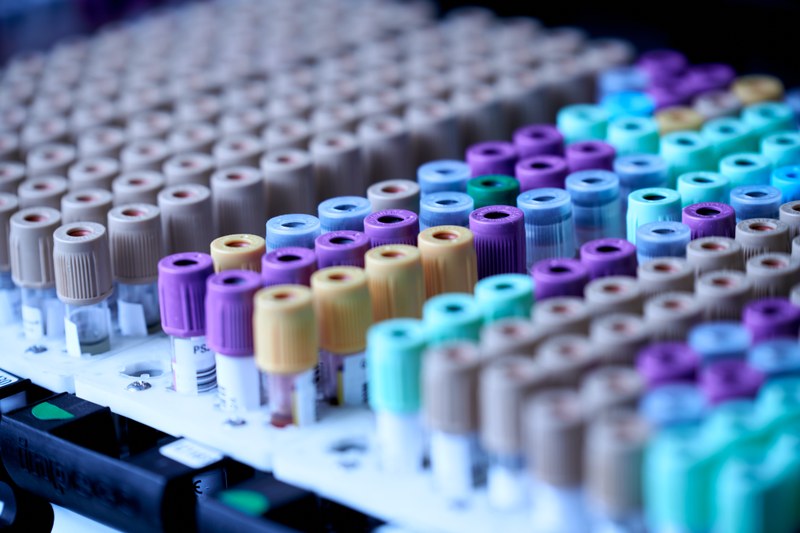
Chemicals in humans and their health risks
For many chemicals, the health impacts of long-term exposure are unknown. It is difficult to accurately assess the risks that chemicals pose to human health because of the complex mixture of chemicals we are exposed to in our daily lives through the environment, products, food and drinking water.
Human biomonitoring allows researchers to measure our exposure to chemicals by measuring their metabolites, which are the markers of subsequent health effects in body fluids or tissues. Information on human exposure can then be linked to other health data to better understand the links between chemicals and human health.
The EEA is a lead partner in the the Partnership for the Assessment of Risks in Chemicals (PARC), which includes policymakers, stakeholders, and scientists throughout the EU. Together, we are monitoring EU citizens’ exposure to chemicals and possible health effects.
Air pollution, climate change, noise, green spaces… Do you know how they impact your health?
ImageStina Ekelund, My City /EEA
Can our environment give us cancer?
Cancer affects the lives of many Europeans. Environmental and occupational exposure to pollutants and others risks contributes significantly to the high burden of cancer in Europe. However, all environmental and occupational cancer risk factors are largely preventable. Our report provides a brief overview of the evidence on the environmental and occupational determinants of cancer in Europe and of EU policy responses.
- Air pollution is linked to around 1% of all cancer cases in Europe and causes around 2% of all cancer deaths. Air pollutants are also linked to asthma, heart disease and stroke.
- Radon forms naturally in rocks, soil and groundwater and contributes significantly to the increase of cancer cases in Europe. Indoor radon exposure is linked to up to 2% of all cancer cases and one in ten lung cancer cases in Europe.
- Exposure to second-hand smoke may increase the overall risk for all cancers by up to 16% in people who have never been smokers.
- Forever chemicals used in European workplaces and released into the environment are carcinogenic and contribute to cancer cases. These chemicals include lead, arsenic, chromium, cadmium, acrylamide, pesticides, Bisphenol A and per- and polyfluorinated alkyl substances (PFAS).
- All forms of asbestos are well-known carcinogens. While the EU banned asbestos in 2005, it remains present in buildings and infrastructure, exposing workers involved in renovation and demolition work.

Sabrina Ardore, My City/EEA

Jose Gonzalez de Sande, Well with Nature/EEA
What if we reduce pollution…
By reducing pollution, the EU’s zero pollution action plan aims not only to protect society’s vulnerable groups over the long term, but also to improve quality of life for all.
Our zero pollution monitoring assessment includes a chapter, examining available knowledge and trends in pollution and associated impacts on health. Sub-sections provide more detailed analysis of air pollution, noise pollution, water pollution, chemical pollution and soil pollution impacts on health. A collection of ‘Signals’ highlight emerging issues and other available knowledge on pollution and health.
ImageIgor Popovic, Climate Change PIX /EEA
Climate health risks posed by floods, droughts and water quality
Climate change is worsening floods, droughts and is reducing water quality, posing an increasing threat to our health, according to an EEA report . Fast-tracking implementation and better coordination of efforts by governments, water authorities and healthcare providers are urgently needed to prevent and reduce health impacts.
Between 1980 and 2022, 5,582 flood-related deaths and 702 wildfire-related deaths were recorded across 32 European countries. Already today, one in eight Europeans lives in areas potentially prone to river floods and around 30% of people in southern Europe face permanent water stress. Climate change will further increase exposure of people to weather extremes with serious health consequences.
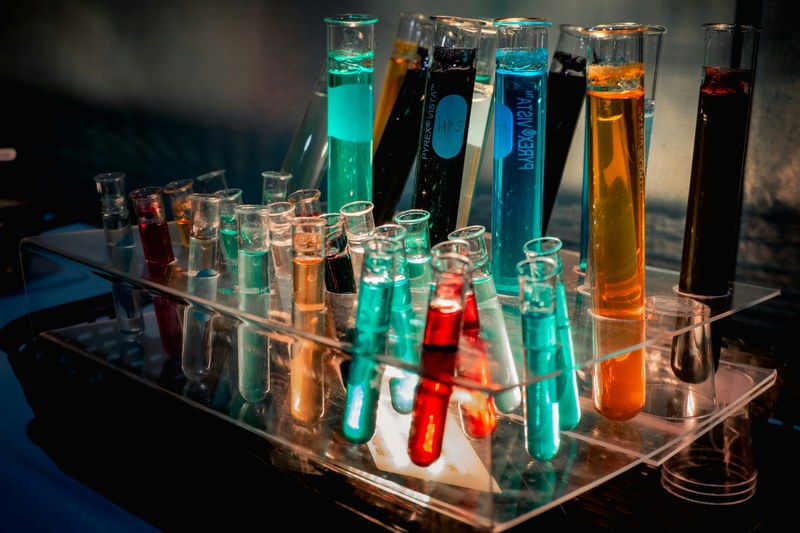
Can we prevent harm to people and the environment from hazardous chemicals?
The EU’s chemicals policies aim to tackle the challenge of producing and using chemicals to address societal needs while respecting planetary boundaries and avoiding harm to humans and the environment.
The EEA, ECHA and the European Commission have developed a set of key indicators to support the goals of the strategy.