LOXLEY, Ala. — As state lawmakers and education leaders push Alabama to expand career and technical education as a way to build up workforce and economic development, Baldwin Preparatory Academy in South Alabama offers a glimpse of what the future might look like.
Across the state, school districts have poured hundreds of millions of dollars into career tech centers as workforce training has become a central part of the state’s economic strategy.
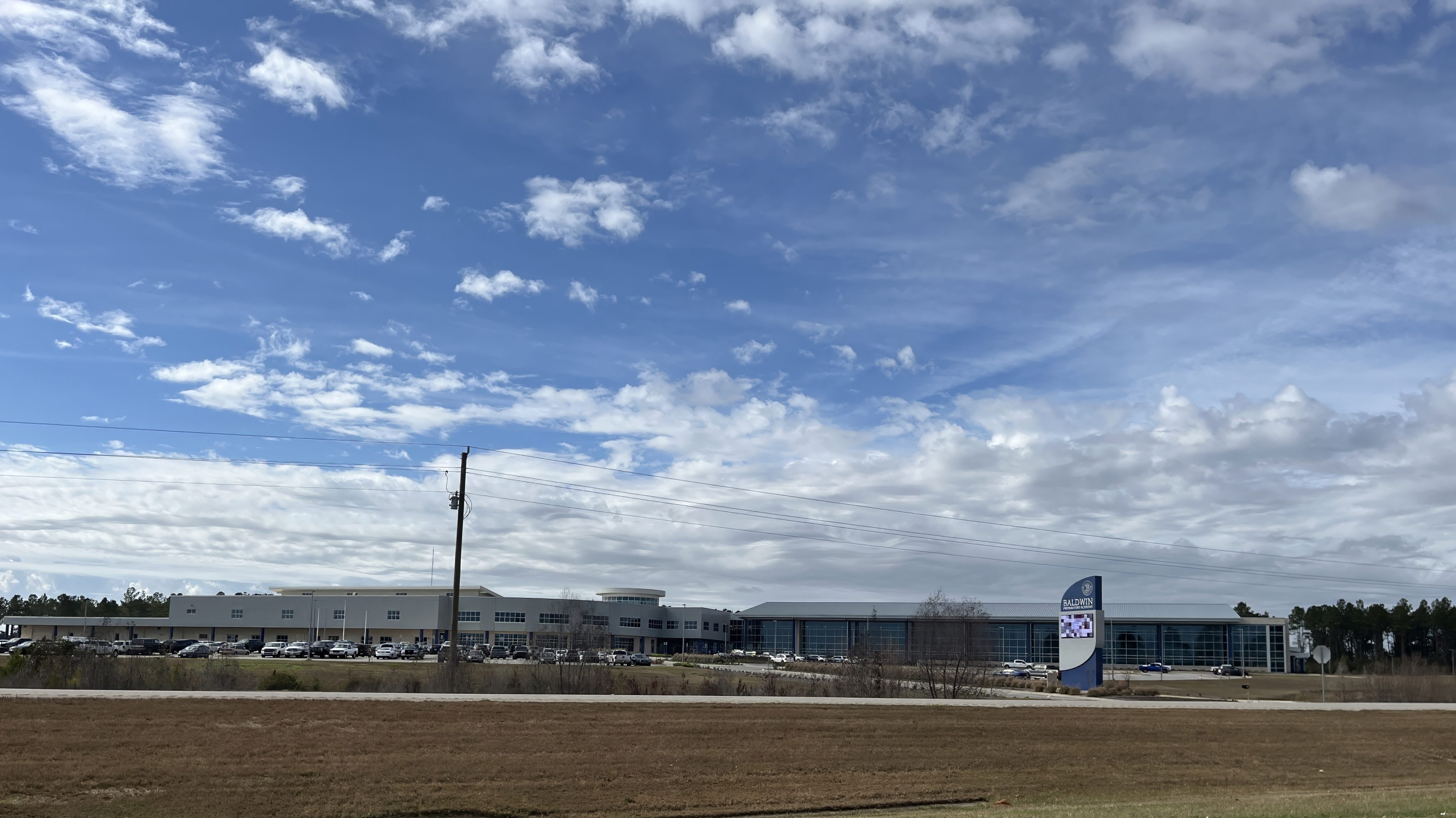
Baldwin Prep opened in 2024 as a standalone high school that combines core academics – English, math, science and social studies – with full-time career and technical training under one roof.
“We have about 680 students this year, 10th, 11th and 12th grade,” Principal Adam Sealy told members of the Alabama State Board of Education during a visit to the campus Friday.
The school replaced Baldwin County’s two aging career tech centers, one in Robertsdale and one in Bay Minette, which Superintendent Eddie Tyler said no longer met students’ needs.
“I went to the board, I said, look, we got two trade schools. We’ve got a north trade school and a south trade school. They’re dinosaurs. They’re good, but they’re dinosaurs,” Tyler said.
And students were spending too much time traveling back and forth instead of learning.
“Kids were taking a half a day away from school to go. They would spend a half a day there then travel back to the base school to get their subjects. It was tough.”
While the district had paid cash for other schools built in recent years, the cost of the campus made that unlikely for Baldwin Prep’s construction, he said. The county ultimately bonded about $50 million and combined it with cash funding to build the new campus.
“This is a little bit north of $100 million,” Tyler said.
Local industry helped shape the design.
“We had Austal there, we had Airbus, we had Infirmary Health, USA Health – all the businesses,” Tyler said. “They told us what they needed.”
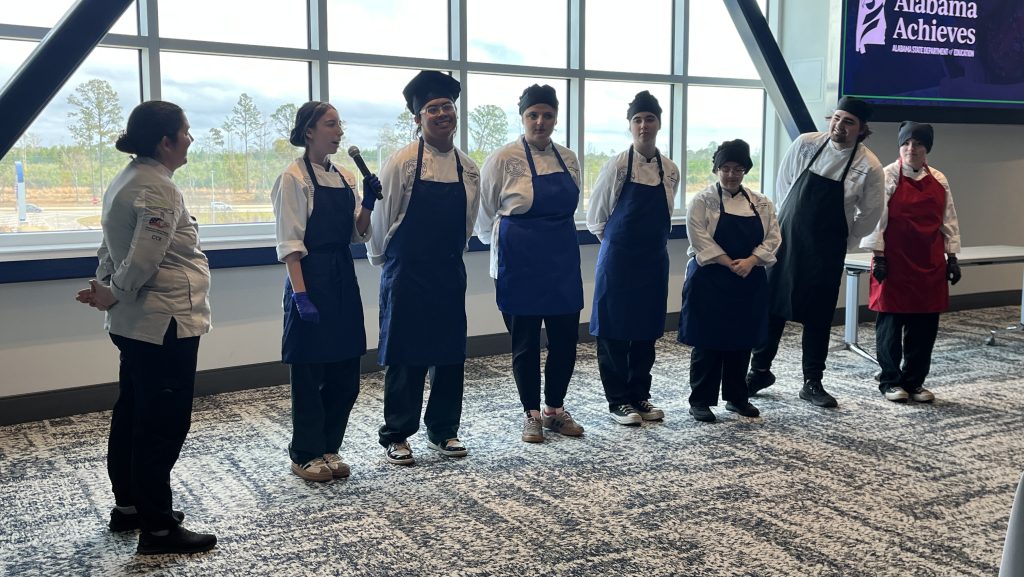
Today, Baldwin Prep offers 12 career pathways, including teacher cadet, health science, welding, construction, HVAC, aviation, mechatronics, cybersecurity, culinary arts, graphic design, cosmetology and automotive technology.
That list is likely to change as workforce needs evolve, Sealy said. But student demand is already strong.
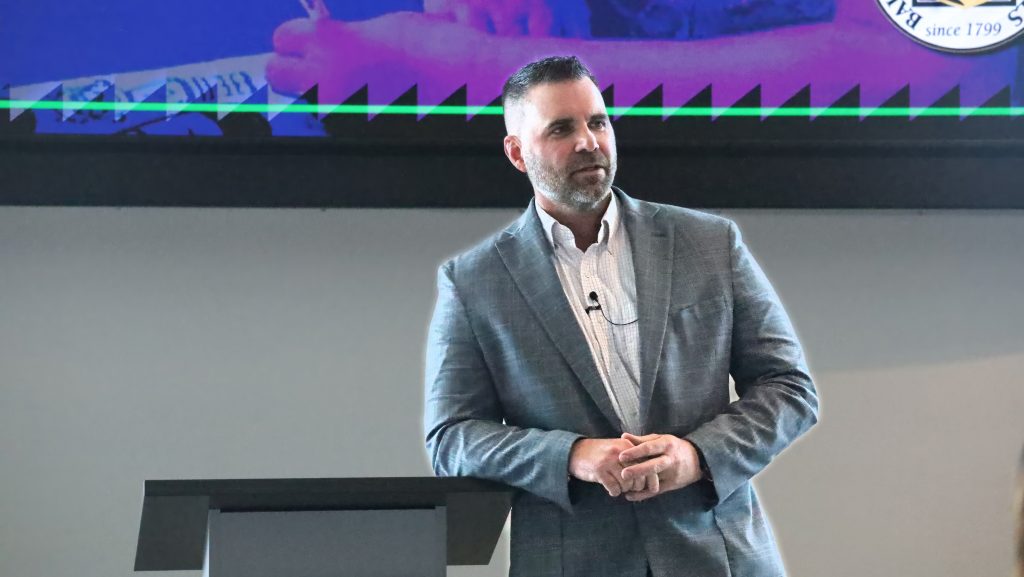
When asked which programs are in highest demand, Sealy said, “Hands down, across the board, health sciences, then welding and then cosmetology.”
State Superintendent Eric Mackey said the model allows students with very different career goals to learn side by side.
“We want the student who wants to be an architect and the student who’s going to wire the building to be in class together,” Mackey said.
Interest in Baldwin Prep reflects that appeal. For the 2026-27 school year, just under 500 ninth-graders applied, Sealy said. If every program were filled to capacity, the school could accept only about 250 of them, meaning admission will again be determined by lottery.
Applicants must meet minimum requirements — at least a 2.0 GPA, good attendance and acceptable discipline records — and students are bused from designated pickup locations around the county. While Baldwin Prep does not have sports teams, students can play at their home high schools.
Doing things differently is part of the school’s identity, Sealy said.
“We try to push the boundary, and we’re thinking of things next year that the school has never done. And saying, hey, we’re going to try something that may be a little different.”
That philosophy is visible everywhere on the Baldwin Prep campus.
That philosophy is visible throughout the campus. Instead of rows of desks, many students learn in large open “pods” – classroom spaces without walls – sitting on couches, at tables or on the floor while working on English, history or other core subjects.
Even in traditional classroom settings, large windows allow a view of what’s happening inside.
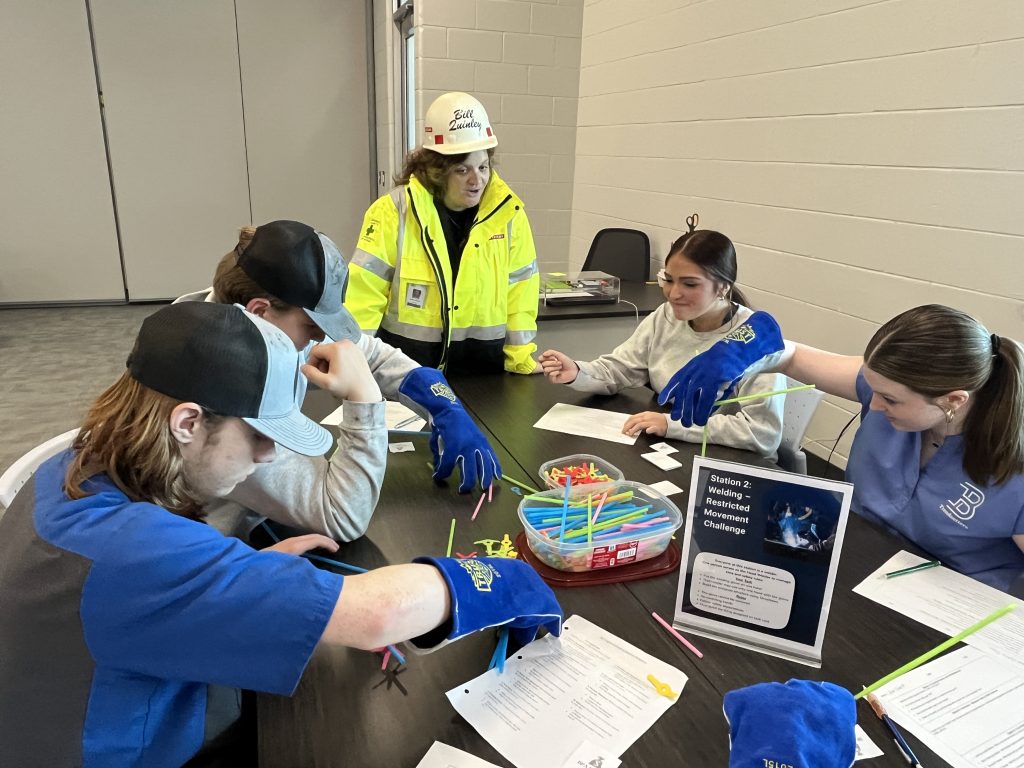
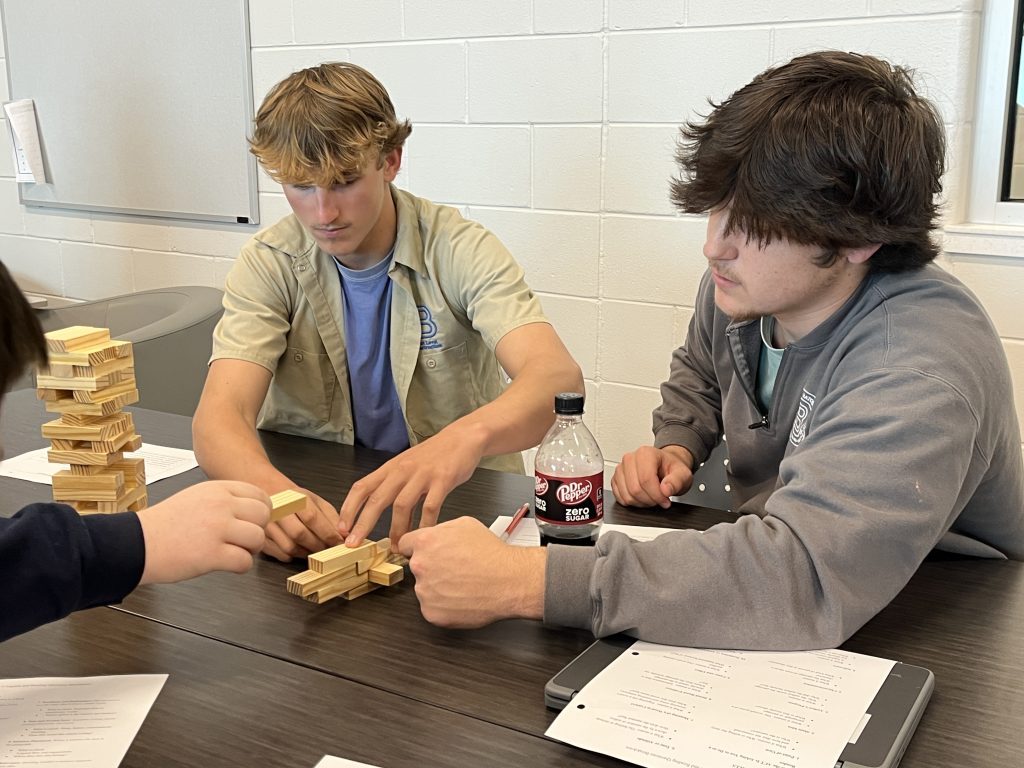
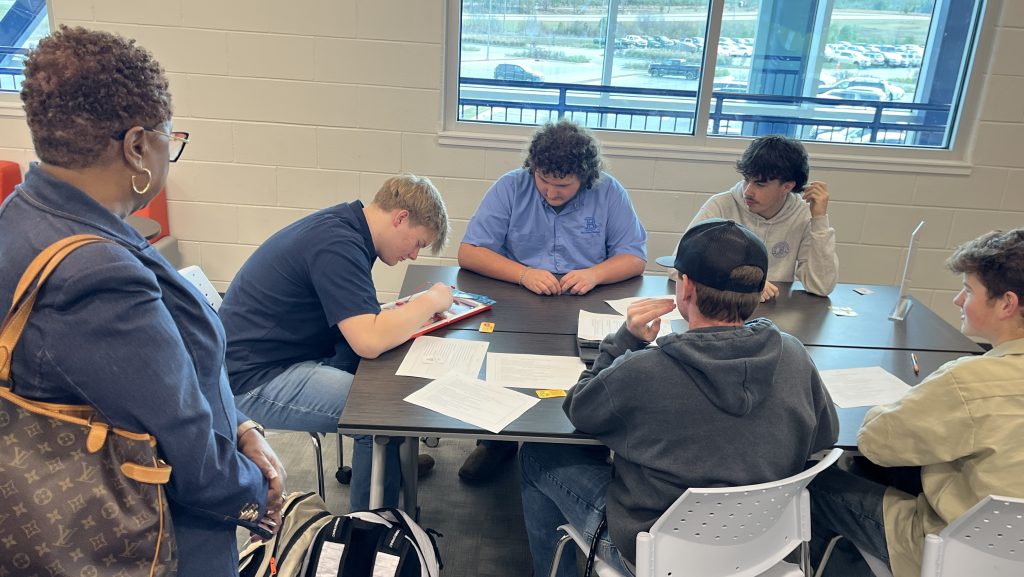
In one English class, teacher Alyssa Abdeltif had students using board games and Play-Doh to solve a problem tied to one of the school’s career pathways.
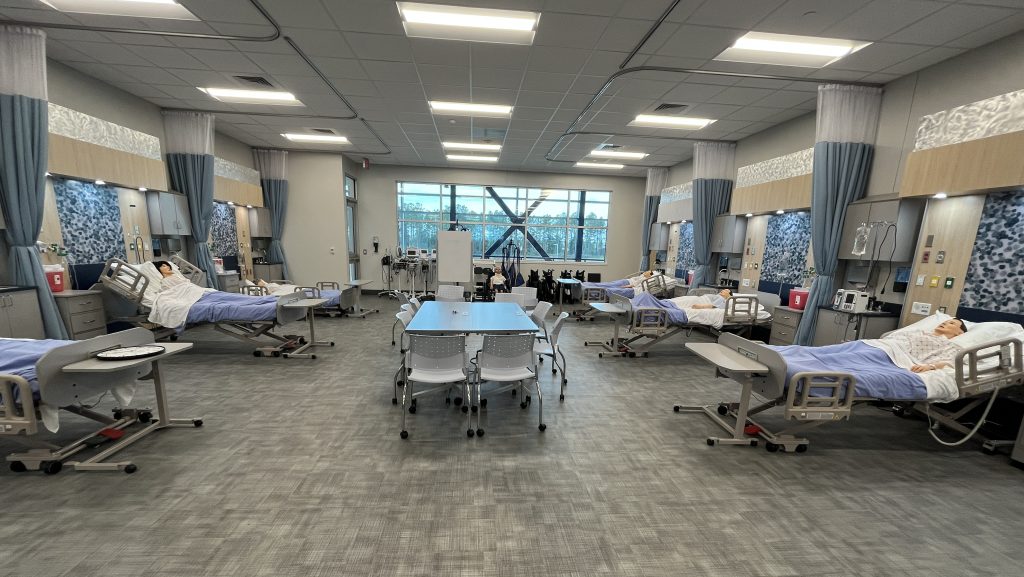
Down the hall, a health science lab had six hospital beds filled with lifelike medical mannequins, while in a different lab others used Doppler ultrasound equipment.
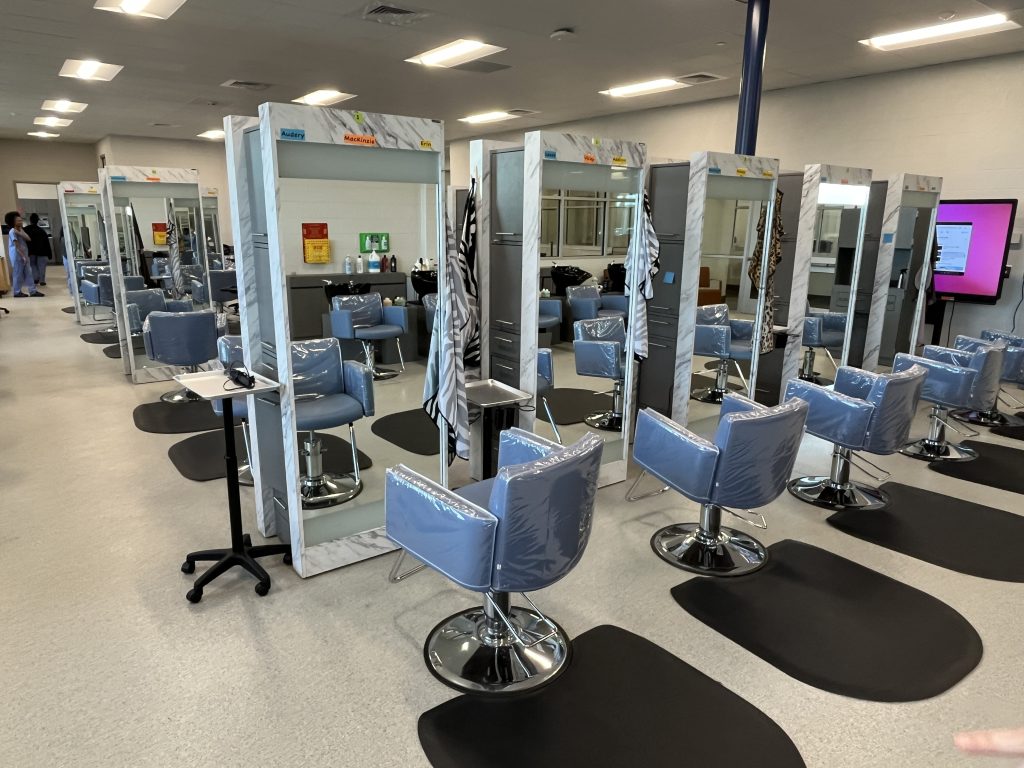
The cosmetology lab looked like a high-end salon, complete with styling chairs, mirrors, pedicure tubs and reclining stations for estheticians.
In the automotive bays, students worked on donated cars and engines.
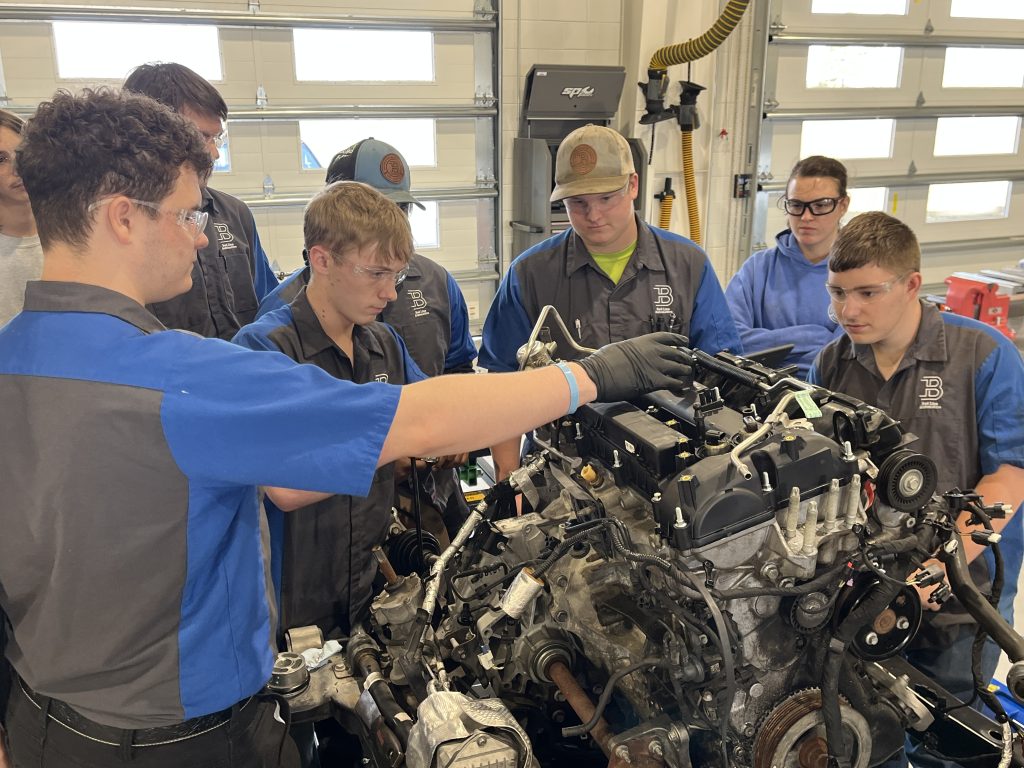
Sealy said offering both academics and hands-on career training in one place helps students see how their education connects to real life – and helps them find out sooner when their chosen field may not be the right fit.
“We had a girl last year who went into an internship at the hospital,” he said. “The first time she saw blood, she hit the floor. She said, ‘No, I can’t see blood. I can’t be a nurse.’”
That kind of early discovery helps students better know what they want to do after graduation, Sealy said.
“We’re not changing the standard. We’re changing the route to mastery,” he said. “If you see this school and you see these students and you talk to these teachers, we are paving a new path that’s never been done, and we hope everybody else follows.”